Cost and Lead Time for Sorting Machine Spare Parts
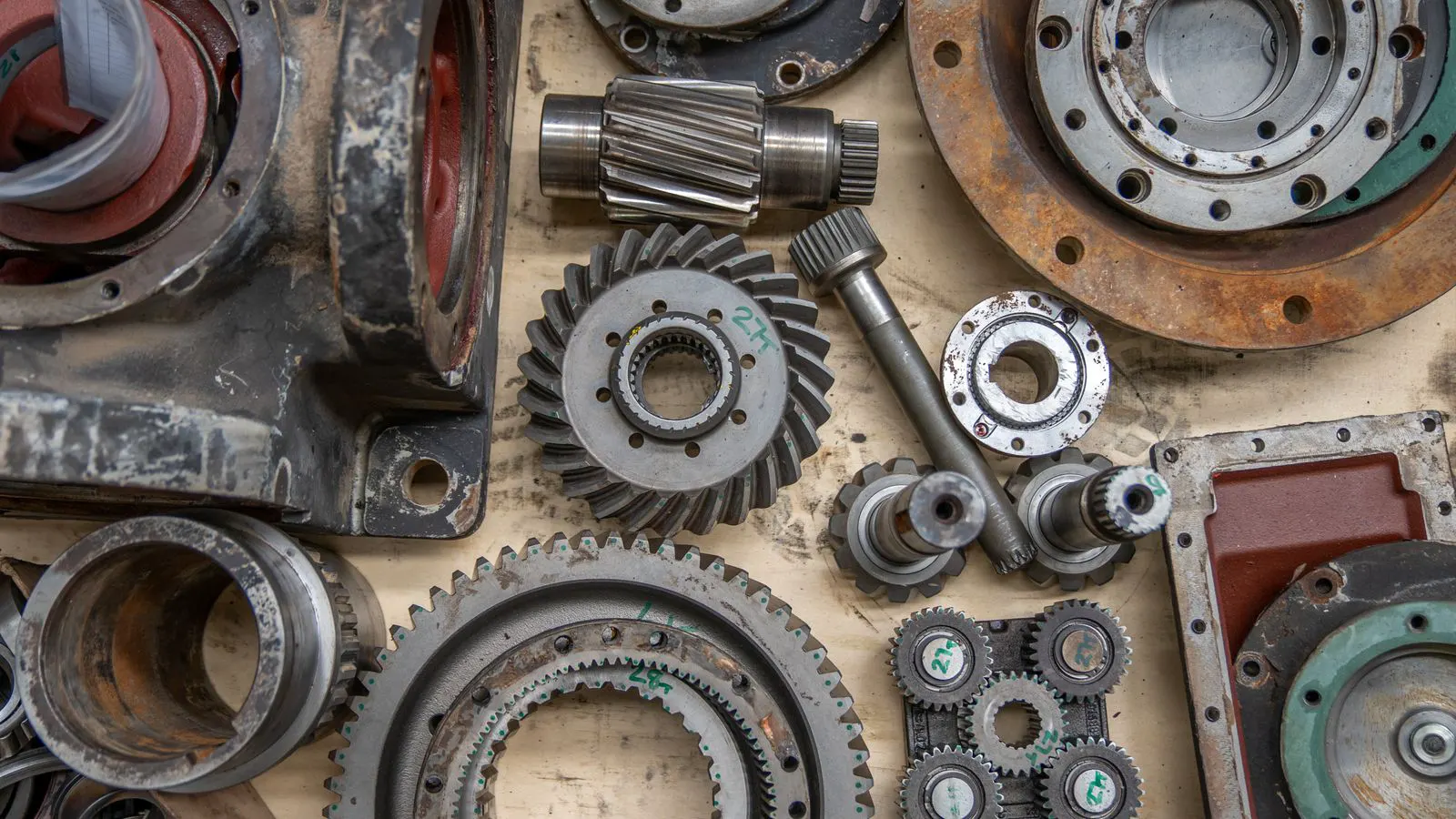
Cost and lead time for sorting machine spare parts depend on part complexity, OEM status, material quality, and supplier inventory. Clear RFQs and structured vendor evaluation help buyers compare quotes fairly and avoid unexpected delays or overpricing during maintenance windows.
- Cost and lead time vary more by part type than by machine brand.
- A precise RFQ with model, serial, photos, and failure notes reduces rework and delays.
- Compare quotes on availability, lead time, warranty, and technical support, not only price.
- Track spare parts inventory and vendor response time to protect future maintenance windows.
What Drives the Cost of Sorting Machine Spare Parts
The price of a spare part for sorting equipment is not a single number. It changes with the part, the machine, and the supplier. A worn conveyor belt, a sensor housing, a camera module, or a control cabinet can cost very different amounts, even when they fit the same line. The variance comes from engineering specifications, material grades, and the level of traceability required for the part.
Buyers often underestimate the difference between OEM and compatible parts. OEM components may carry higher upfront cost but often include tighter quality control and direct technical support from the original manufacturer. Compatible parts can be cheaper, but the buyer must confirm fit, material grade, and electrical ratings. A compatible drive motor, for example, must match the torque curve and encoder interface of the original unit. If the encoder resolution differs, the control software may reject the signal, rendering the cheaper part useless until a firmware update or adapter is installed.
Several factors usually move the price up.
- Part complexity: A simple mechanical part costs less than a sensor with optics, electronics, or calibration. A basic wear plate is a cut from a sheet of steel. A near-infrared sensor head requires a lens assembly, a photodetector, a processing board, and a sealed housing. The complexity multiplies the cost because each sub-component has its own supply chain.
- Material quality: Stainless steel, aluminum, high-grade polymers, and specialized coatings add cost. In wet recycling streams, a standard carbon steel housing will rust quickly. Replacing it with a 304 or 316 stainless unit costs more initially but reduces maintenance frequency. The material grade must match the chemical environment of the plant.
- Production volume: Low-volume or discontinued parts cost more because the supplier must source or retool. If a machine model was sold for ten years and then discontinued, the tooling for certain plastic housings may have been scrapped. The supplier must either find the raw material from an old inventory lot or commission a new mold, both of which raise the unit price.
- Certification and documentation: Some parts require test reports, material certificates, or compliance paperwork. For parts that handle food waste or that are subject to strict electrical safety standards in specific regions, the supplier must provide mill certificates and test data. This administrative and quality assurance work is built into the price.
- Technical support: Suppliers that include installation guidance, calibration help, or troubleshooting may charge more. A camera module without a calibration guide requires the plant engineer to guess the focus and exposure settings. A supplier that sends a technician or provides a step-by-step video guide reduces the risk of improper installation.
For optical sorters, sensor components, camera lenses, and control boards often dominate the cost. The electronics are expensive because they process high-speed data streams. For eddy current separators, magnetic components, coil assemblies, and mechanical alignment parts can be significant. The coils are wound with copper wire and require precise geometric accuracy. If the winding tension is off, the separation efficiency drops, and the plant may reject the part. For ballistic separators, wear plates, hammers, and impact parts may need replacement more often. These parts are subject to high mechanical stress. A hammer head that cracks every six months is a high-frequency replacement item, even if the individual cost is low.
What Drives Lead Time for Spare Parts
Lead time is usually more important than price when the machine is down. A slightly more expensive part that arrives in a few days can cost less overall than a cheap part that waits weeks. The cost of downtime includes lost production, potential contract penalties, and the labor cost of keeping the line running with a temporary fix.
Lead time depends on several practical factors.
- Stock status: In-stock items usually ship faster than made-to-order items. If the part is sitting on the supplier’s shelf, the lead time is simply the transit time. If the part must be manufactured, the lead time includes the production cycle, quality control checks, and packing.
- Manufacturing lead time: Custom parts, electronics, or calibrated sensors may require production time. A sensor that requires factory calibration cannot be shipped immediately. The factory must power it up, run it through a test jig, and record the serial number. This process takes days.
- Shipping method: Air freight is faster but costs more. Sea freight is slower but cheaper. For a critical line stoppage, air freight is often the only option. For a planned shutdown, sea freight may be acceptable if the part is not urgent.
- Customs and documentation: Cross-border shipments can add days or weeks for paperwork and clearance. If the part is imported, the buyer must provide commercial invoices, packing lists, and certificates of origin. Customs authorities may hold the shipment for inspection, especially if the part is classified as a controlled item or if the documentation is incomplete.
- Verification steps: Some buyers require incoming inspection, testing, or site acceptance before the part is released. The part may arrive at the plant, but it cannot be installed until the quality team verifies the serial number and runs a functional test. This internal process adds to the effective lead time.
A common mistake is asking only “When is it ready?” without asking how that lead time is calculated. Does the supplier measure from order date, payment date, or production start? Does the quote include shipping, or only pickup? Are calibration and testing included, or are they separate? If the supplier quotes a lead time of five days but does not clarify that it starts after the deposit is cleared, the part will arrive two weeks late.
How to Write a Clear RFQ for Spare Parts
A vague RFQ creates slow replies and inaccurate quotes. A clear RFQ gives the supplier enough information to respond quickly and accurately. The goal is to eliminate guesswork. The supplier should not have to ask basic questions to understand what is needed.
Include the following in every request.
- Machine make, model, and serial number. This identifies the exact version of the machine. A machine model may have minor revisions over time. The serial number confirms the specific production run and the software version installed.
- Exact part name and part number, if available. If the part number is not available, provide the component name and the location on the machine. For example, “left-side conveyor idler, row 3” is more useful than “a belt wheel”.
- Photo of the installed part and the failed part. A photo shows the physical condition of the failure. A cracked housing looks different from a corroded one. The photo also helps the supplier identify the material and the mounting pattern.
- Description of the failure mode, such as cracked housing, shorted sensor, worn plate, or misaligned magnetic field. This helps the supplier recommend the right replacement. If the sensor shorted because of moisture, a simple replacement may fail again unless the housing gasket is also replaced.
- Operating conditions, including throughput, material type, and duty cycle. A part used in a 24/7 operation on abrasive plastic flakes will wear differently than a part used in a 4-hour shift on clean glass. The operating conditions determine the required material grade and the expected service life.
- Required lead time and whether the part must be ready for a specific shutdown date. If the part is needed for a scheduled shutdown in three weeks, the supplier must prioritize the order. If the part is needed immediately for an emergency repair, the supplier must check air freight options.
- Preferred supplier type, such as OEM, authorized distributor, or verified compatible supplier. Some buyers require OEM parts for warranty reasons. Others accept compatible parts if they are verified.
- Required documentation, such as test report, material certificate, or warranty terms. This ensures the supplier includes all necessary paperwork in the delivery.
A useful RFQ format is short but specific. For example, “We need a replacement camera module for an optical sorter, model X, serial number Y. The current unit is failing intermittently under high throughput. We need the part in 10 days. Please confirm compatibility, lead time, warranty, and whether calibration is included.”
That kind of request avoids back-and-forth and makes it easier to compare responses. It also puts the burden on the supplier to confirm the technical details rather than assuming the buyer will figure them out later.
How to Compare Quotes Fairly
Comparing quotes is not just a price check. Two quotes can look similar on cost but differ in delivery certainty, support, and long-term risk. A quote must be evaluated as a package of services, not just a single line item.
Use a consistent comparison sheet for every supplier.
| Comparison item | What to check |
|---|---|
| Unit price | Price per part, including taxes and fees if applicable |
| Lead time | Time from order to delivery, and whether it is guaranteed |
| Stock status | Whether the part is in stock or made to order |
| Warranty | Length, scope, and whether it is transferable |
| Calibration | Whether setup, alignment, or testing is included |
| Technical support | Who to contact if the part fails or does not fit |
| Shipping | Carrier, method, tracking, and responsibility for damage |
| Documentation | Test report, material certificate, or compliance records |
A low price can become expensive if the part arrives late, needs rework, or fails after installation. A higher price can be justified if the supplier offers a short guaranteed lead time, clear warranty, and responsive support. If the part fails on day 30, the cost of the warranty claim, the labor to replace it, and the production loss will outweigh the initial savings.
When comparing quotes, ask each supplier to confirm the same scope. If one includes calibration and another does not, the comparison is not fair. If one ships air freight and another uses sea freight, the lead time difference may change the decision. The supplier must confirm that the part is compatible with the specific machine version. If the supplier does not confirm compatibility, the quote is not valid.
How Vendor Evaluation Affects Maintenance Risk
Vendor evaluation should include more than price and delivery date. The supplier relationship affects how quickly future problems are solved. A good supplier acts as a partner in maintaining the machine. A bad supplier creates a bottleneck.
Key evaluation points include:
- Response time to RFQs. A supplier that responds within a few hours is more reliable than one that takes days. In an emergency, speed matters.
- Accuracy of quoted lead times. If a supplier consistently underestimates lead times, the buyer will face unexpected delays. Track the actual delivery dates against the quoted dates over several orders.
- Willingness to provide technical details before sale. A supplier that provides datasheets, compatibility notes, and installation guides before the order is placed shows a commitment to quality.
- Quality of documentation. The documentation must be complete and accurate. Missing material certificates or test reports can cause the part to be rejected by the quality team.
- After-sales support structure. The buyer needs a clear contact for technical issues. If the part does not fit or fails, who is responsible for troubleshooting?
- Ability to handle non-standard or discontinued parts. Some parts are no longer produced. A supplier that can find alternatives or source obsolete parts is valuable.
- History of on-time delivery. A supplier with a track record of reliable delivery is a lower risk than one with a history of delays.
A supplier that answers quickly and provides clear part details is usually easier to work with during an emergency. A supplier that gives a low price but is slow to confirm compatibility can create more risk. The buyer should maintain a list of approved suppliers for each critical part. This list should be updated regularly based on performance.
Practical Ways to Reduce Cost and Shorten Lead Time
Reducing cost and lead time is usually a matter of planning, not guesswork. The goal is to minimize the impact of failure on production.
- Keep a small stock of high-failure parts. Identify the parts that fail most often based on maintenance records. Keep a limited quantity on hand. This covers minor delays in supply chain delivery without stopping the line.
- Record part numbers and failure notes for every replacement. If a part is replaced, record the part number, the date, the failure mode, and the operating conditions. This data helps identify patterns. If a specific part fails frequently, it may indicate a design flaw or an operating issue that needs to be addressed.
- Standardize on parts that are easier to source. If two different machines use similar sensors, standardize on the same model. This reduces the number of unique parts to track and makes it easier to find replacements.
- Ask suppliers about bulk or scheduled delivery options. If a part is needed regularly, a bulk purchase may reduce the unit price. Scheduled delivery can simplify logistics and reduce the cost of emergency shipping.
- Confirm calibration and testing requirements before purchase. If the part requires calibration, ensure the supplier includes it in the price and lead time. If not, the plant must arrange for it, which adds cost and time.
- Maintain a list of approved suppliers for each critical part. This list should include contact details, lead times, and performance history. It helps the buyer make quick decisions during an emergency.
- Review lead times after each delivery and update the plan. If a supplier’s lead time changes, update the records. If a part’s failure rate changes, adjust the stock levels.
For high-value sorting lines, the goal is not to buy every part cheaply. The goal is to avoid downtime. A part that is slightly more expensive but arrives when needed can protect the line far better than a bargain that delays production.
What to Check Before You Buy
Before placing an order, confirm the final scope. This step prevents errors and delays.
- The part number matches the machine. Double-check the serial number and the model. A mismatch here can lead to a part that does not fit.
- The material and dimensions are correct. Verify the material grade and the physical dimensions. A part that is the wrong size will not fit the mounting points.
- The electrical or mechanical ratings are suitable. Check the voltage, current, torque, and speed ratings. A part that is under-rated may fail under load.
- The lead time includes all steps, not only manufacturing. Confirm that the lead time includes shipping, customs, and any internal verification steps.
- The warranty is clear and practical. Understand the warranty terms. Know what is covered and what is excluded.
- The supplier can answer technical questions after delivery. Ensure there is a clear channel for support. If the part has a problem, who to call?
- The delivery date fits the maintenance window. Confirm that the part will arrive before the maintenance window closes. If the part arrives late, the maintenance window may need to be extended, which costs money.
A short confirmation step can prevent a large delay. It is often better to spend time now than to discover a mismatch after the part arrives.
Frequently asked questions
What is the biggest factor that increases spare parts cost?
Part complexity and OEM status usually increase cost. Sensors, electronics, and calibrated components cost more than simple mechanical wear parts.
How can a buyer shorten lead time for sorting machine spare parts?
A clear RFQ, in-stock parts, faster shipping, and early supplier confirmation reduce lead time. Buyers should also ask whether the quoted time includes calibration and testing.
Should buyers always choose the lowest price for spare parts?
No. A low price can lead to delays, rework, or failure. Buyers should compare price with lead time, warranty, support, and documentation.
How should an RFQ describe a failed sorting machine part?
It should include machine model, serial number, part number, photos, failure mode, operating conditions, and required lead time.
What should be included in vendor evaluation for spare parts?
Vendor evaluation should cover response time, lead time accuracy, warranty, calibration support, documentation, and ability to handle discontinued or non-standard parts.