Explaining Tonnage vs Density in Baler Output
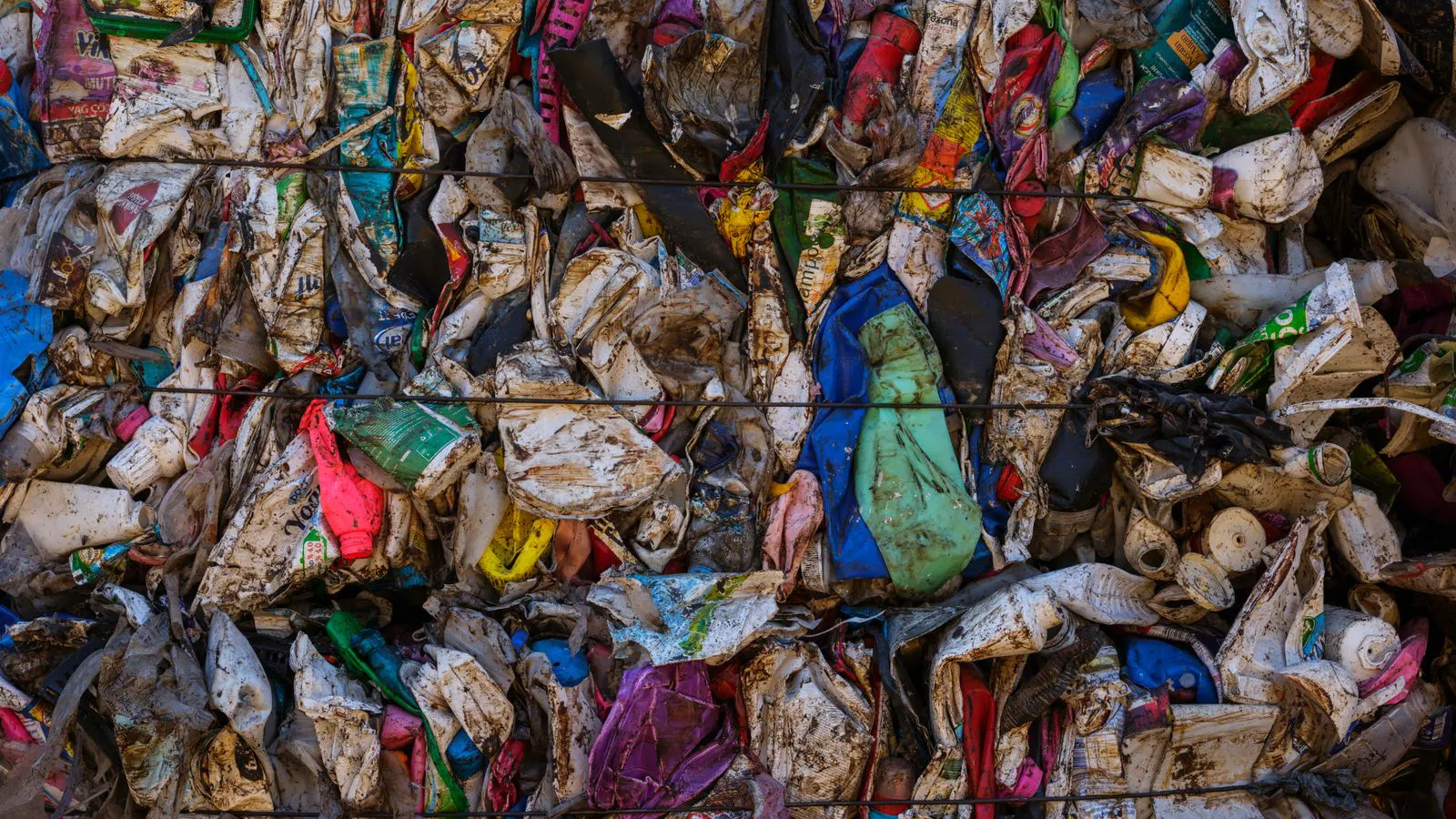
Baler tonnage output depends on how tightly material compacts under applied force. Higher density materials form heavier bales per cycle. Understanding this helps buyers set realistic throughput expectations and evaluate vendor claims accurately.
- Baler tonnage output is determined by the weight of material compressed in each cycle, not just the physical size of the bale.
- Material density directly affects how much weight a bale of a specific volume can hold.
- Compaction force and machine design set the upper limit of achievable density for each material type.
- Buyers should verify tonnage claims against material type, bale dimensions, and machine specifications.
What Balers Actually Measure
Industrial balers measure output in two ways that often get mixed up in sales conversations. Bale dimensions describe the physical size of the package, while tonnage output describes the weight of the material inside. A one-metre cube of cardboard holds far less weight than a one-metre cube of PET. The machine does not change the material’s weight. It changes the volume that the material occupies.
When a vendor quotes “baler tonnage output,” they are referring to the mass of compressed material per cycle or per hour. This number matters because it determines how many trucks of raw material a buyer can process per shift and how many finished bales will leave the site. The weight of the bale also affects shipping costs, storage space, and the revenue a reseller will accept. A heavy bale means more material moved per truck load. It also reduces the floor space needed in a warehouse.
The confusion usually appears when buyers compare machines based on bale size alone. A larger bale box may look impressive, but if the material is low density and the compaction force is limited, the final weight per bale will be low. Conversely, a smaller bale of high-density material can produce a heavier package than a larger bale of loose material. Consider a vertical bale machine producing standard 800 kg bales of mixed paper versus a horizontal machine producing 1,200 kg bales of HDPE. The HDPE machine produces a heavier package in less volume, but the paper machine may have a faster cycle time. The buyer must weigh these factors against their specific constraints.
How Material Density Changes Bale Weight
Material density is the mass of a substance per unit of volume. In recycling, density varies widely by feedstock. Cardboard, PET, HDPE, and mixed paper all have different natural densities before compression. After compression, the effective density of the bale depends on how much air is removed from the material during the compaction cycle.
High-density materials like PET and HDPE compress to a high effective density because the polymer chains pack tightly under pressure. Low-density materials like expanded polystyrene or loose mixed paper compress less effectively because the material structure traps air even after significant force is applied. Expanded polystyrene is particularly difficult because the cellular structure resists collapse unless the force is very high and the temperature is controlled.
When evaluating a baler, the material type must be specified. A machine rated for a certain tonnage output on compacted PET will not match the same output on loose corrugated cardboard. The buyer needs to match the machine’s rated output to the actual feedstock mix. If the feedstock changes seasonally, the effective tonnage output will shift. For example, a facility might process mostly rigid plastics in winter and more mixed paper in summer. The same machine will produce different bale weights across those seasons. The maintenance schedule and energy costs will also reflect this change.
The Role of Compaction Force
Compaction force is the mechanical pressure the baler applies to the material. Hydraulic balers use cylinders and pumps to generate force. The maximum force the machine can apply sets the ceiling for how tightly the material can be compressed.
A machine with higher available force can achieve a higher effective density for the same material. This results in a heavier bale for the same bale dimensions. The trade-off is that higher force requires larger hydraulics, stronger frame components, and more energy per cycle. The pump size, cylinder diameter, and accumulator capacity all increase to support the higher force. The machine footprint also expands.
Compaction force also affects bale consistency. A machine that applies force unevenly across the bale chamber may produce bales with uneven density. Some bales may be denser than others. This inconsistency makes it harder to predict average tonnage output over time. It also leads to bales that are harder to transport because the weight distribution is off. The tieing wires may cut into the bale differently, or the bale may shift in the truck.
Buyers should ask for the maximum hydraulic force the machine can generate and the number of compression cycles per bale. More cycles at lower force may produce a similar result to fewer cycles at higher force, but the energy cost and cycle time will differ. A machine with a 500 kN force and six compression strokes might take longer per bale than a machine with a 800 kN force and four strokes. The total energy per bale must be calculated, not just the peak force.
How Bale Dimensions and Force Work Together
Bale dimensions and compaction force are not independent variables. They work together to determine final weight. A larger bale chamber requires more force to compress the same volume of material to the same density. A smaller chamber requires less force but produces a smaller package.
The effective density of the bale is a function of the material’s compressibility and the force applied. If the force is insufficient for the chamber size, the material will not compress to its maximum potential. The bale will be larger but lighter per cubic metre. This is a common mistake in specification. The buyer sees a larger box and assumes a heavier bale. The physics does not work that way.
Practical buyers often focus on the weight per bale rather than the dimensions. A 1500 kg bale of PET is more useful to a reseller than a 1200 kg bale of the same dimensions. The reseller pays based on weight, and the buyer pays for the energy and wear of the machine. The number of bales per shift also matters. A machine that produces 30 bales of 1200 kg per hour produces the same tonnage as one that produces 25 bales of 1500 kg per hour. The labor and handling costs differ. The larger bale requires heavier lifting and different transport equipment.
A Worked Example in Plain Words
Imagine a baler designed to produce bales of a standard size. The feedstock is clean, flat PET bottles. The material has a natural density, but it compresses well under pressure. The machine applies a high hydraulic force over several compression strokes. The air is forced out of the bottle structure, and the polymer packs tightly. The final bale weighs a certain amount. The bottles are crushed flat, and the polymer sheets stack against each other with minimal voids.
Now imagine the same machine and the same bale size, but the feedstock is loose, dirty mixed paper. The paper has a lower natural density and a fibrous structure that traps air. The same hydraulic force compresses the material, but not as effectively as the PET. The air pockets remain larger. The final bale weighs less than the PET bale, even though the bale box is full. The paper fibers are not destroyed. They just pack closer together. The voids between the fibers are reduced, but not eliminated.
This example shows why the tonnage output cannot be stated without specifying the material. The machine’s maximum force is constant, but the material’s response to that force changes. The buyer must account for the material mix when calculating expected tonnage output per shift. A facility with a 60% PET and 40% mixed paper mix will produce a different average bale weight than a facility with 100% PET. The calculation must be weighted.
What Sourcing Decisions Depend on This
Sourcing decisions for balers hinge on matching the machine’s compaction capability to the expected material mix. A facility processing mostly PET and HDPE can expect higher tonnage output per bale than a facility processing mixed paper or loose plastics. The same machine will produce different weights depending on the input.
When comparing vendors, buyers should request a table of expected tonnage output for the specific materials they will process. The table should show the bale dimensions, the material type, the assumed compaction force, and the resulting weight per bale. This removes ambiguity from the sales conversation. It also helps the buyer compare machines from different manufacturers on equal footing.
Buyers also need to consider the downstream market. Some resellers pay a premium for high-density bales because they are cheaper to transport and easier to store. A lower-density bale may be accepted at a lower price. The difference in price per tonne can affect the ROI of the baler. The buyer should check the price difference with the reseller before finalizing the machine choice.
How to Verify Tonnage Claims
To verify tonnage output claims, buyers should ask for the material specifications and the machine’s hydraulic force rating. The vendor should provide a data sheet that lists the maximum force in kilonewtons or equivalent units. The buyer can then compare the force to the material’s compressibility.
A practical check is to request a trial run with the actual feedstock. The baler should be operated under normal conditions, and the bales should be weighed. The average weight over a set number of cycles gives a realistic tonnage output figure. The trial run should include a representative mix of materials, not just the cleanest sample.
If the feedstock is mixed, the average weight will vary. The buyer should track the weight per bale over time to identify trends. Changes in feedstock quality, moisture content, or contamination levels will affect the tonnage output. Moisture is a particularly large factor. Wet paper compresses differently than dry paper. It also weighs more per volume, but it may not hold the bale together as well. The buyer should monitor moisture levels and adjust expectations accordingly.
Frequently asked questions
Why does the same baler produce different weights for different materials?
Different materials have different natural densities and compressibility. The same compaction force removes different amounts of air from each material, resulting in different effective densities and final bale weights.
How do I know what tonnage output to expect for my specific feedstock?
Ask the vendor for a tonnage output table based on your material mix. Request the maximum hydraulic force rating and the assumed bale dimensions. A trial run with your actual material will give the most accurate figure.
Does a larger bale always mean a heavier bale?
No. A larger bale of low-density material can weigh less than a smaller bale of high-density material. The weight depends on the effective density achieved during compression, not just the physical size.
What machine features affect tonnage output the most?
Maximum hydraulic force, number of compression cycles, and bale chamber dimensions are the primary factors. The material type is equally important because it determines how much the material can be compressed.
How does tonnage output affect shipping costs?
Heavier bales reduce the number of bales per truck load. Fewer bales mean less handling, less storage space, and lower shipping costs per tonne of material. This can improve the overall ROI of the baler.