Shredder Enclosure vs Open Frame Noise Levels
A closed shredder enclosure typically reduces noise by up to 20 decibels compared to an open frame. The choice depends on site layout, maintenance access, and local regulations. This guide breaks down the trade-offs for buyers.
- Closed enclosures are the most effective single modification for lowering noise at the source.
- Open frames offer lower capital cost and faster maintenance but require strict PPE and zoning.
- Acoustic barriers and panels can supplement either configuration but rarely replace a full enclosure.
- Always measure noise at the worker position, not just at the machine housing.
Why Noise Levels Matter in Shredder Operations
Shredders generate high decibel levels during operation. The noise originates from three main sources: the cutting mechanism, material impact against the chamber, and the electrical drive system. Each source contributes differently based on the machine type. A single-shaft shredder often produces a constant, high-frequency whine from the blade rotation. A multi-shaft grinder creates a more chaotic, percussive sound as multiple rotors engage the material simultaneously.
Uncontrolled noise leads to hearing damage for operators and maintenance staff. The risk is not just immediate; it accumulates over a career. A worker exposed to high levels for five or ten years may develop permanent hearing loss. This damage is irreversible.
Compliance headaches with local environmental agencies are a second major factor. Many municipalities have strict limits on industrial noise, especially during evening or night hours. If a facility operates a shredder in a mixed-use zone, complaints from neighbors can lead to fines or forced shutdowns.
Buyers often ask which configuration controls noise best. The answer is not always “buy the most expensive option.” The right choice depends on the site layout, the type of material being processed, and the frequency of operation. A mobile unit processing scrap metal in an open field has different noise constraints than a fixed facility processing plastics inside a concrete building.
Shredder Enclosure vs Open Frame: The Core Difference
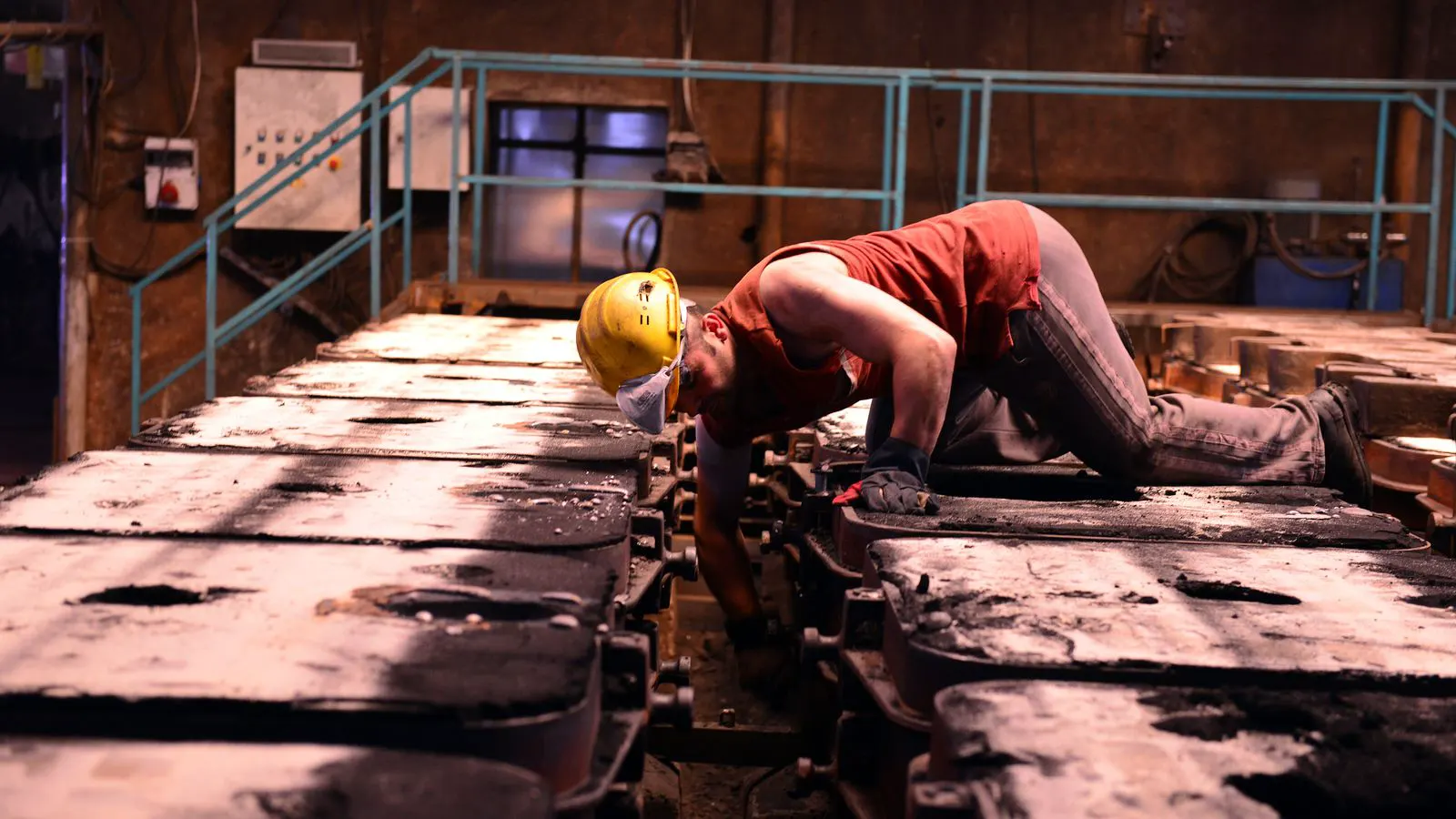
An open frame shredder has exposed mechanical components. The cutting drums and feed hopper are visible. Sound travels freely to the surroundings. This setup is common in mobile recycling units or facilities with high ceilings and good ventilation.
In an open frame design, the machine sits on a steel skid or concrete pad. The cutting mechanism is often behind a simple safety guard, but there is no solid wall between the rotor and the room. The noise radiates in all directions. This makes open frames popular for temporary setups or where quick access for cleaning is required.
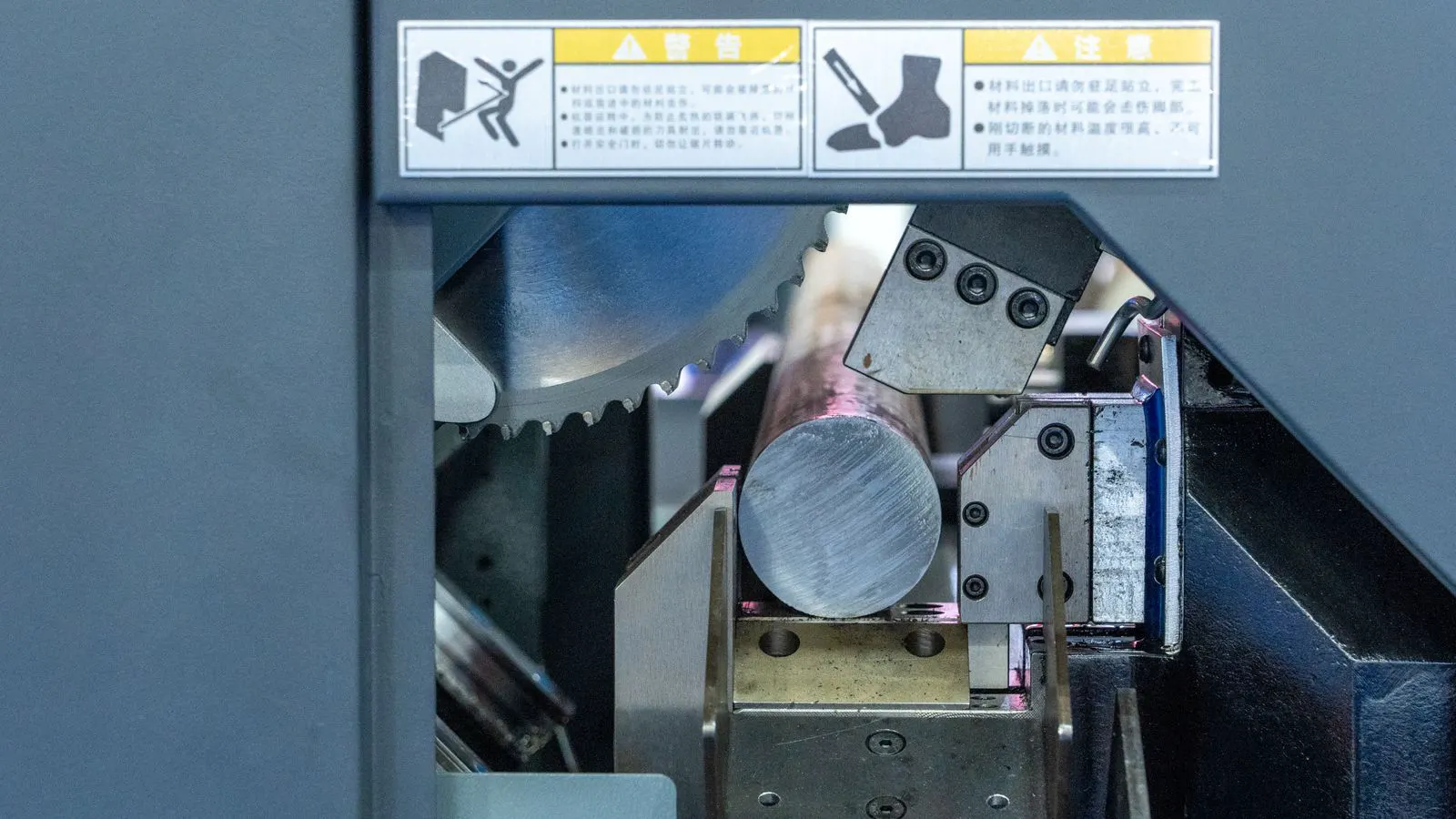
A shredder enclosure noise control strategy involves wrapping the machine in a solid or semi-solid structure. The enclosure acts as a barrier, absorbing and reflecting sound waves. It can be a permanent building or a prefabricated metal box.
The difference in decibel levels is significant. A closed enclosure typically reduces noise by a double-digit amount. An open frame may only reduce noise by a few decibels, if any. This means the enclosure is the primary control method for heavy industrial use.
However, enclosures introduce their own issues. They trap heat and humidity. They can make the working environment uncomfortable for maintenance staff. They also add to the initial capital cost and installation time.
Acoustic Barriers Comparison
When selecting a noise control method, you need to compare different physical interventions. The table below outlines the main options available to recycling facility managers.
| Option | Best for | Limitations |
|---|---|---|
| Full Closed Enclosure | Heavy daily use, strict local noise limits, permanent facilities | Higher capital cost, limited access for maintenance, increased heat buildup |
| Semi-Open Frame with Panels | Medium duty, mobile units, sites with space constraints | Lower noise reduction than full enclosure, panels may vibrate and amplify sound |
| Acoustic Barrier Walls | Outdoor sites, shared boundaries with neighbors | Only blocks line-of-sight sound, ineffective for ground-borne vibration |
| Operator Cab with Isolation | Short-term maintenance, mobile crew work | Does not help with ambient site noise, requires separate safety certification |
| Active Noise Cancellation | Small, enclosed rooms with low ambient noise | Rarely practical for large industrial shredders, high technical complexity |
The full closed enclosure is the standard for permanent facilities. It handles the highest noise loads. The semi-open frame with panels is a cost-effective middle ground. It works well when the machine sits in a corner or when space is tight.
Acoustic barrier walls are useful for outdoor sites. They are cheaper than building a full enclosure. However, they only block sound that travels in a straight line. They do not stop sound that bounces off the ground or through the building structure.
Operator cabs are a personal protective measure. They protect the maintenance worker but do not lower the noise for the rest of the site. They are a good supplement to other controls, not a replacement.
How to Measure Noise at the Site
Do not rely on manufacturer data sheets alone. They often list noise at a distance of one meter from the machine. Your workers may stand closer, or the building may reflect sound back at them.
Hire a certified acoustician to measure noise at the worker position. They should take readings at different times of day. Measure the noise at the feed hopper, the discharge chute, and the motor housing. These are the loudest points.
Check the background noise of the facility. If the ambient noise is already high, the shredder may not be the dominant source. In that case, adding an enclosure may have a smaller relative impact on worker exposure.
Use the measured data to compare options. If the open frame setup puts workers at 95 decibels, and the enclosed setup puts them at 75 decibels, the difference is massive. A 20 decibel drop is perceived as a tenfold reduction in loudness.
Maintenance Access and Safety Trade-offs
A closed shredder enclosure creates a new problem: access. When the machine breaks down, someone needs to get inside to fix it. A full enclosure may require you to remove panels or open large doors. This takes time and can be dangerous if not done correctly.
An open frame shredder noise control solution is simpler for maintenance. You can walk around the machine and access the gears, belts, and sensors directly. There is no need to dismantle a structure.
However, open frames require strict safety protocols. Operators must use hearing protection. They must stay behind guardrails. The cutting area must be fenced off.
The choice between access and noise reduction is a business decision. If the shredder runs 24/7, the noise reduction from an enclosure is worth the maintenance downtime. If the shredder runs a few hours a day, an open frame with good PPE may be sufficient.
Heat Buildup and Material Integrity
Enclosed shredders generate heat. The air inside the enclosure gets hot. This heat can affect the shredder’s performance. If the motor overheats, the machine may shut down. It can also degrade the material being shredded, especially if it is plastic.
Open frame shredders have better heat dissipation. The air flows freely around the machine. This keeps the components cooler.
If you choose a closed enclosure, you must plan for ventilation. Install exhaust fans or air handlers. Use heat-resistant materials for the panels. Monitor the motor temperature regularly.
The material type matters. Shredding rubber or plastic creates more heat than shredding metal. A full enclosure may require a larger cooling system for these materials. An open frame setup is less sensitive to heat buildup.
Cost and Lead Time Considerations
The cost of a shredder enclosure is higher than an open frame. The capital cost includes the structure, the ventilation system, and the acoustic panels. The installation cost can be significant if the machine is in a tight space.
An open frame shredder noise control setup is cheaper. You only need to buy hearing protection and install some guardrails. The lead time is shorter. You can buy the machine and start using it immediately.
However, the long-term cost of an open frame may be higher. You may face fines for noise complaints. You may need to buy more hearing protection for your staff. You may need to hire a noise consultant to monitor compliance.
The lead time for a full enclosure can be long. If the site requires a building permit, the process can take months. Plan your project timeline accordingly.
Final Recommendation for Buyers
Choose a full closed enclosure if your site is permanent, you run the shredder for long hours, and you have strict noise limits. It is the most effective way to control shredder enclosure noise. It protects your workers and reduces complaints.
Choose an open frame setup if your site is mobile, you have space constraints, or you run the shredder for short periods. Add acoustic panels to the most noisy areas. Use high-quality hearing protection. Monitor the noise levels regularly.
Do not ignore the acoustic barriers comparison. A combination of a semi-enclosed frame and acoustic barrier walls can be a good middle ground. It is cheaper than a full enclosure but better than a bare open frame.
Measure the noise at your site. Get a professional assessment. Compare the options based on your specific needs. The right choice is the one that fits your budget, your site, and your compliance requirements.
Frequently asked questions
Can I convert an open frame shredder to a closed enclosure later?
Yes, many manufacturers offer retrofit kits. They include panels and doors that fit over the existing frame. Check with the vendor for compatibility.
How much does a shredder enclosure reduce noise?
A well-designed closed enclosure can reduce noise by 15 to 25 decibels. The exact reduction depends on the design and the material of the panels.
Is an open frame shredder noise problem safe for short-term work?
It can be safe if you use hearing protection and limit exposure time. Follow local safety regulations for noise exposure limits.
Do acoustic panels work better than solid metal enclosures?
Solid metal enclosures are better for blocking high-frequency noise. Acoustic panels are better for absorbing sound. Use both for best results.
How do I know if my site needs a full enclosure?
Measure the noise at the worker position. If the levels exceed local limits, you need a full enclosure. If they are close, a semi-enclosed setup may be enough.