Troubleshooting Eddy Current Separators for Low Purity
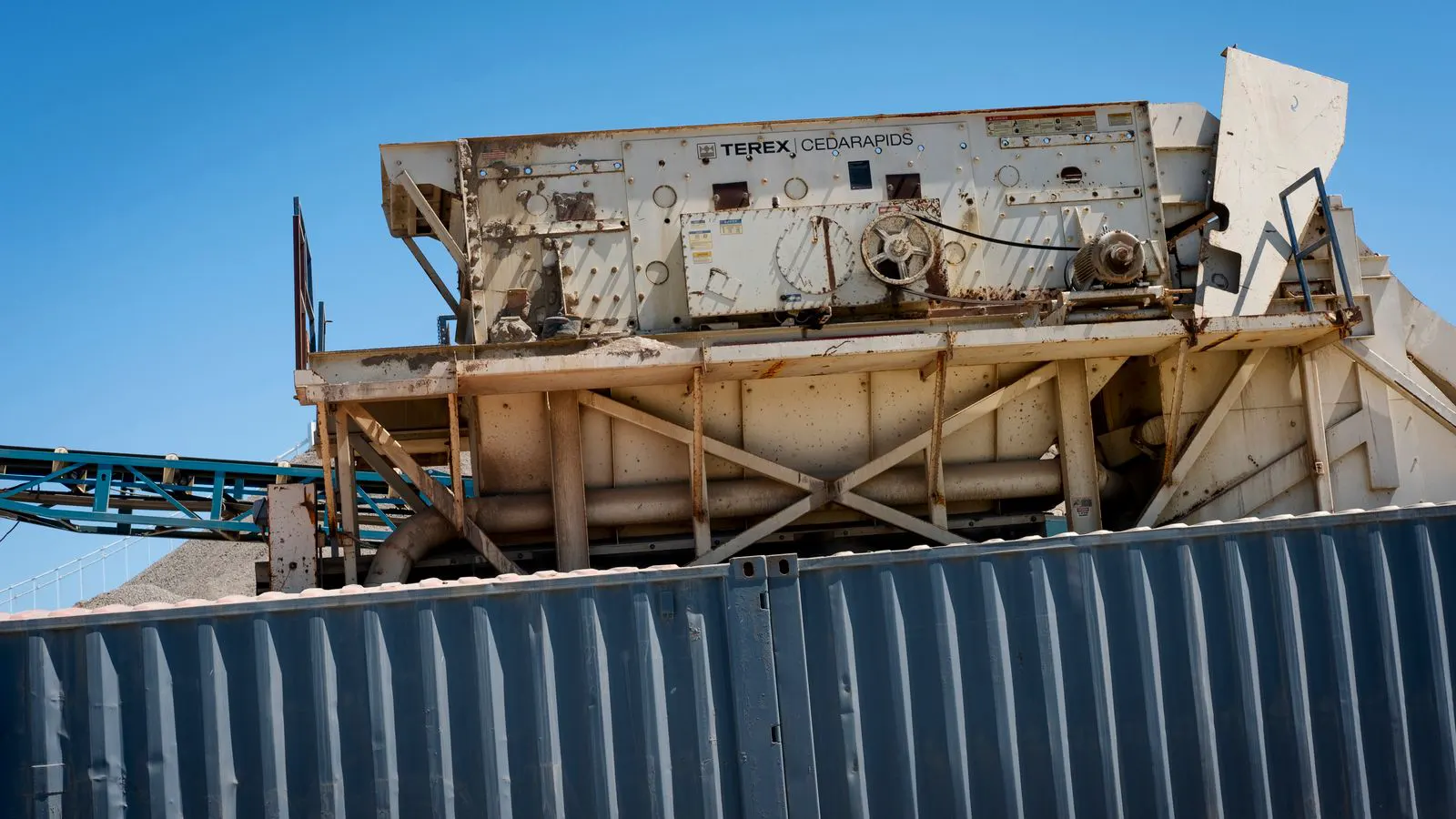
Low purity in an eddy current separator usually stems from incorrect magnetic field settings, worn rollers, or contaminated feed material. This guide lists common symptoms, likely causes, and fixes to restore clean metal sorting and separation performance.
- Low purity often traces back to incorrect magnetic field strength or improper feed material preparation.
- Worn rollers and misaligned screens significantly reduce separation efficiency and increase contamination.
- Regular calibration and operator training prevent recurring metal sorting and separation issues.
- Monitoring output purity consistently helps identify early problems before they become costly.
- Preventive maintenance schedules extend equipment life and maintain reliable non-ferrous recovery.
Why low purity happens in eddy current separators
An eddy current separator creates a magnetic field that repels non-ferrous metals from a conveyor belt. When the field strength, speed, or material preparation is off, the separation fails and impurities enter the product stream. Engineers see this as low purity, where the rejected metal stream contains too much non-metallic material, or the recovered metal contains too much contamination.
The core problem is usually mechanical or operational, not a failure of the magnetic principle itself. The eddy current separator relies on precise timing between the material hitting the field zone and the material leaving it. Any change in material thickness, flow rate, or field strength disrupts this timing. This guide focuses on practical fixes for the most common causes of low purity in metal sorting operations.
The physics behind the rejection is based on Lenz’s law. As a conductive material moves through the magnetic field, it generates induced currents. These currents create their own magnetic field that opposes the change in the external field. This opposition creates a force that lifts and deflects the metal off the belt. The force is proportional to the square of the field gradient and the velocity of the metal relative to the field. If the velocity changes, the lift changes. If the gradient changes, the lift changes. If the material is not conductive, or is a poor conductor like some steels, the force is negligible. This is why the separation is selective for aluminum, copper, and brass, but not for iron or steel.
Understanding this interaction helps diagnose problems. If the metal is not lifting, the field is likely too weak or the belt is too fast. If the metal lifts but lands in the wrong bin, the ejection point is misaligned or the belt speed is too slow. If the metal lifts high but falls back, the field is not strong enough to carry it across the gap. These subtle differences in failure modes guide the troubleshooting process.
Common symptoms of separation issues
Before adjusting settings, identify the exact symptom. Low purity can manifest in several distinct ways depending on which part of the process is failing.
- Low metal recovery with high contamination: The product stream contains too much non-metallic material, suggesting the field is too weak or the material is moving too fast.
- High metal recovery with poor purity: The metal is being caught, but so is a lot of non-metal, indicating the field is too strong or the material is too thick.
- Inconsistent purity across shifts: Purity varies significantly between batches, pointing to feed variability or operator error.
- Sudden purity drop: Purity was stable and then dropped, often indicating a mechanical failure like a worn roller or a broken magnet.
- Metal sticking to the belt: Non-ferrous metals are not being ejected properly, causing buildup and purity issues.
These symptoms often overlap. For example, inconsistent purity across shifts may be caused by operator error, but it can also be caused by material feed variability. A sudden purity drop might be caused by a broken magnet, but it could also be caused by a change in material preparation. Identifying the exact symptom requires careful observation and logging of the process parameters.
Troubleshooting table for separation issues
Use this table to match symptoms to likely causes and apply targeted fixes. This covers the most frequent problems engineers face with eddy current separators in metal sorting applications.
| Symptom | Likely cause | What to do |
|---|---|---|
| Low recovery of non-ferrous metals | Magnetic field too weak or incorrect polarity | Verify field strength with a gauss meter. Check magnet integrity and ensure no ferrous material is shielding the field. |
| High contamination in metal product | Field too strong or material feed too thick | Reduce field strength. Adjust belt speed. Ensure material is spread evenly and not clumped. |
| Inconsistent purity between shifts | Feed material variability or operator error | Standardize feed preparation. Calibrate belt speed and field strength. Train operators on proper material handling. |
| Metal sticking to conveyor belt | Worn rollers or incorrect belt tension | Inspect and replace worn rollers. Adjust belt tension. Clean the belt surface to remove built-up material. |
| Sudden purity drop after maintenance | Misaligned components or incorrect reassembly | Check alignment of the eddy current separator housing. Verify magnet position and belt tracking. Review maintenance records. |
| Excessive non-ferrous metal in reject stream | Material moving too fast through the field zone | Slow down the conveyor belt. Ensure the material has sufficient dwell time in the magnetic field. |
When using this table, apply the fixes in a logical order. Start with the simplest and most likely cause. For example, if the symptom is low recovery, check the field strength first. If the field is correct, check the belt speed. If the belt speed is correct, check the material preparation. This systematic approach prevents unnecessary adjustments and helps identify the root cause.
Field strength and magnetic system checks
The magnetic field is the heart of the eddy current separator. If the field is not tuned correctly, the entire process fails. Start by verifying the field strength at the point where the material enters the separation zone. Use a gauss meter to measure the field at multiple points across the belt width. The reading should match the manufacturer’s specifications for your material type.
Check for ferrous material buildup around the magnets. Iron filings or small steel pieces can accumulate and distort the field. Clean the magnet surfaces regularly. Inspect the magnets for physical damage, cracks, or demagnetization. If the field is inconsistent across the belt width, the magnets may be misaligned. Adjust the housing to ensure even field distribution.
The magnetic system typically consists of a series of electromagnets or permanent magnets arranged above the conveyor belt. The field is strongest directly above the magnets and decreases with distance. The gradient of the field is what creates the force on the conductive material. A uniform field does not create a significant force. The force is proportional to the change in the field over distance. This is why the shape and position of the magnets are critical. If the magnets are not aligned correctly, the field gradient will be uneven, and the force will be uneven. This leads to inconsistent ejection and low purity.
When measuring the field with a gauss meter, take readings at several points along the belt width and at different heights above the belt surface. The field should be relatively uniform across the belt width, with a slight drop-off near the edges. If the field is significantly higher on one side of the belt, the magnets may be misaligned or damaged. If the field is significantly lower in the center, the magnets may be worn or demagnetized. Adjust the magnet position or replace the magnets as needed.
Also check the electrical connections to the electromagnets. Loose connections can cause voltage drops and reduce the field strength. Inspect the wiring for damage or corrosion. Verify that the power supply is providing the correct voltage and current. If the field is fluctuating, check the power supply and the control system. A stable field is essential for consistent separation.
Conveyor speed and material flow
Belt speed determines how long the material stays in the magnetic field. If the belt moves too fast, the material exits the field before being properly repelled. If it moves too slow, the material may not reach the ejection point correctly. Adjust the belt speed based on the material type and thickness.
Non-ferrous metals like aluminum and copper require different belt speeds than thicker or denser materials. Thinner, lighter materials may need a slower belt to allow sufficient field interaction. Thicker materials may need a faster belt to prevent excessive dwell time. Monitor the material flow to ensure it is spread evenly across the belt width. Clumping or uneven flow causes local field variations and purity issues.
The belt speed is a critical parameter. It must be slow enough to allow the metal to be lifted and deflected, but fast enough to prevent the metal from sticking to the belt. The optimal belt speed depends on the material type, thickness, and the magnetic field strength. For example, thin aluminum foil may require a very slow belt speed to allow the field to lift it. Thick copper sheet may require a faster belt speed to prevent it from sticking to the belt.
The material flow also affects the belt speed. If the material is not spread evenly, some parts of the belt may be overloaded, while others may be underloaded. This causes local variations in the material thickness and the field interaction. Use a feeder or screen to distribute the material evenly. Avoid overloading the separator, as excessive volume reduces the field’s effectiveness on each piece of metal.
When adjusting the belt speed, make small changes and observe the effect on the separation. Start with the recommended speed for the material type and adjust gradually. Record the belt speed and the resulting purity. This helps establish a baseline and identify the optimal speed for your specific material.
Roller and belt condition
The rollers guide the material through the separator and control its path. Worn rollers change the material’s trajectory, causing it to enter the field at the wrong angle or exit at the wrong point. Inspect the rollers for wear, flat spots, or damage. Replace them if they are out of round or excessively worn.
Check the belt for stretching, tears, or buildup. A stretched belt changes the tension and can cause material to skip or bunch. Clean the belt surface to remove any sticky or abrasive material that affects the separation. Ensure the belt tracks correctly and does not drift to one side. Misalignment causes material to bypass the field zone, resulting in low purity.
The rollers are critical components. They support the belt and guide the material through the separator. Worn rollers create uneven surface contact, which changes the friction and the material path. This can cause the material to enter the field at the wrong angle or exit at the wrong point. Inspect the rollers regularly for wear, flat spots, or damage. Replace them if they are out of round or excessively worn.
The belt is also a critical component. It carries the material through the separator and must be in good condition. A stretched belt changes the tension and can cause material to skip or bunch. A torn belt can allow material to bypass the field zone. A dirty belt can cause material to stick. Check the belt for stretching, tears, or buildup. Clean the belt surface to remove any sticky or abrasive material. Ensure the belt tracks correctly and does not drift to one side. Misalignment causes material to bypass the field zone, resulting in low purity.
When inspecting the rollers and belt, pay attention to the wear patterns. Uneven wear can indicate misalignment or improper tension. Replace the rollers and belt if they are worn beyond the manufacturer’s specifications. This prevents minor issues from becoming major purity problems.
Material preparation and feed consistency
The eddy current separator performs best with consistent material. Large chunks, mixed materials, or wet feed all reduce purity. Break down large non-ferrous pieces to a uniform size. Remove ferrous material before feeding the separator to avoid field distortion. Dry the material if possible, as moisture can cause clumping and affect flow.
Ensure the feed is spread evenly across the belt width. Use a feeder or screen to distribute the material. Avoid overloading the separator, as excessive volume reduces the field’s effectiveness on each piece of metal. Consistent feed preparation is often the most overlooked factor in metal sorting and separation issues.
Material preparation is often the most overlooked factor in achieving high purity. The separator can only separate what it is fed. If the feed is inconsistent, the separation will be inconsistent. Break down large non-ferrous pieces to a uniform size. This ensures that each piece has a similar interaction with the magnetic field. Remove ferrous material before feeding the separator to avoid field distortion. Ferrous material can accumulate around the magnets and distort the field. Dry the material if possible, as moisture can cause clumping and affect flow. Wet material can stick to the belt and cause purity issues.
Ensure the feed is spread evenly across the belt width. Use a feeder or screen to distribute the material. Avoid overloading the separator, as excessive volume reduces the field’s effectiveness on each piece of metal. If the separator is overloaded, the field cannot lift each piece of metal effectively. This leads to low recovery and high contamination.
When preparing the material, pay attention to the size and shape. Large chunks may require a different field strength or belt speed than small pieces. Mixed materials can cause unpredictable separation. For example, if aluminum and copper are mixed, the field may not be able to separate them effectively. Dry the material if possible, as moisture can cause clumping and affect flow. Wet material can stick to the belt and cause purity issues.
Operator training and routine calibration
Low purity often stems from operator error. Operators may adjust field strength or belt speed without understanding the impact. Train operators on the correct settings for each material type. Provide clear instructions for adjusting field strength and belt speed.
Establish a routine calibration schedule. Measure field strength and belt speed at set intervals, such as weekly or after any maintenance. Document the readings and compare them to baseline values. If a deviation is detected, adjust the settings accordingly. Regular calibration prevents small issues from becoming major purity problems.
Operator training is essential for maintaining high purity. Operators are the first line of defense against low purity. They can identify problems early and make minor adjustments to maintain performance. Train operators on the correct settings for each material type. Provide clear instructions for adjusting field strength and belt speed. Explain the physics behind the separation and how the parameters affect the process. This helps operators understand what they are doing and makes them more likely to follow the correct procedures.
Establish a routine calibration schedule. Measure field strength and belt speed at set intervals, such as weekly or after any maintenance. Document the readings and compare them to baseline values. If a deviation is detected, adjust the settings accordingly. Regular calibration prevents small issues from becoming major purity problems. For example, a slight drift in the belt speed can cause a gradual drop in purity. Regular calibration detects this drift and allows for correction before it becomes a major problem.
When training operators, use practical examples. Show them how to adjust the field strength and belt speed for different materials. Demonstrate how to identify low purity symptoms and how to troubleshoot them. Provide clear instructions and troubleshooting guides. This helps operators perform their jobs effectively and reduces the likelihood of operator error.
Prevention tips for sustained purity
Prevention is more effective than troubleshooting. Implement these practices to maintain consistent metal sorting and separation performance.
- Perform monthly inspections of rollers, belts, and magnets.
- Calibrate field strength and belt speed after any maintenance or material change.
- Standardize material preparation procedures to ensure consistent feed.
- Train operators regularly on correct operation and troubleshooting.
- Monitor purity metrics daily and log any deviations.
- Keep spare parts, including rollers and belts, on hand for quick replacement.
- Clean the separator housing and magnet surfaces regularly to prevent buildup.
By following these practices, you reduce the frequency of separation issues and maintain high purity in your metal sorting operations. Consistency in operation and maintenance is the key to reliable performance from an eddy current separator.
Frequently asked questions
How do I measure the magnetic field strength of an eddy current separator?
Use a gauss meter to measure the field at multiple points across the belt width at the separation zone. Compare the readings to the manufacturer's specifications for your material type.
What causes metal to stick to the conveyor belt in an eddy current separator?
Worn rollers, incorrect belt tension, or excessive belt speed can cause metal to stick. Inspect and replace worn rollers, adjust belt tension, and clean the belt surface to remove buildup.
Can material thickness affect eddy current separator purity?
Yes. Thicker materials require different belt speeds and field strengths than thinner materials. Adjust the settings based on the material type and thickness to maintain proper separation.
How often should I calibrate an eddy current separator?
Calibrate at least weekly or after any maintenance. Measure field strength and belt speed and compare them to baseline values. Adjust settings if deviations are detected.
What is the most common cause of low purity in an eddy current separator?
Incorrect field strength or belt speed is the most common cause. Material feed variability and worn rollers also frequently contribute to separation issues.