Ferrous vs Non-Ferrous Scrap Separation Methods
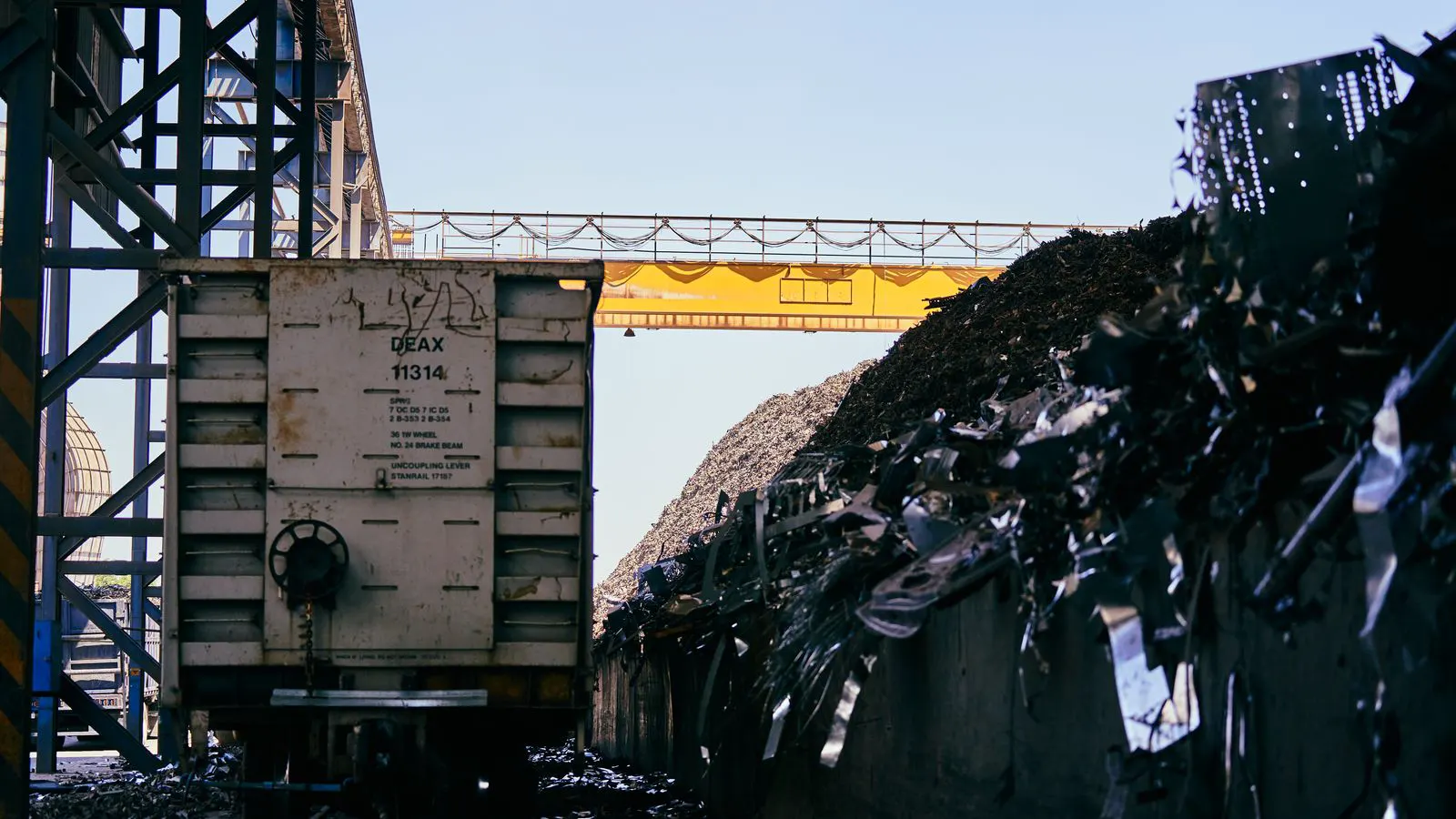
Ferrous metal recycling involves separating iron and steel from mixed scrap using magnetic and eddy current systems. These methods distinguish materials based on magnetic response and conductivity, ensuring clean, marketable outputs for processors and buyers.
- Ferrous metals respond to magnetic fields, making magnetic separation the first line of defense.
- Eddy current systems handle non-ferrous metals that miss the magnets.
- Mixed scrap requires a multi-stage setup to reach marketable purity levels.
- Maintenance and material flow control directly affect separation efficiency.
Mixed scrap streams rarely arrive at a processing facility as a single, uniform material. Bales, containers, and vehicle loads typically contain a blend of carbon steel, stainless steel, copper, aluminum, brass, and zinc-coated items. The core challenge in ferrous metal recycling is isolating the iron-based fraction while preserving the value of the non-ferrous metals that remain.
This separation is not just about finding the iron. It is about controlling how the material moves through the plant. A poorly separated stream leads to lower mill acceptances, reduced premiums, and higher energy costs in downstream melting. Buyers for scrap iron often require specific grades, such as light or heavy scrap, which depend heavily on the cleanliness of the initial separation.
Why magnetic response defines ferrous metals
Ferrous metals are defined by their high magnetic permeability. Most carbon steels, low-alloy steels, and cast irons will be pulled toward a strong magnetic field. This physical property is the basis for the primary separation method used in almost every metal recycling facility.
Stainless steels present a complication. Austenitic grades, which are common in household appliances and food-grade equipment, are generally non-magnetic. However, martensitic and ferritic stainless grades are magnetic. This means a “stainless” input stream is not automatically non-ferrous in the context of separation. Operators must account for the alloy composition of the incoming material. If a load contains a mix of magnetic and non-magnetic stainless, the magnetic separator will pull out only a portion of the steel. This residual material then enters the non-ferrous stream, potentially contaminating it with stainless steel chips or shavings.
The magnetic field strength and the geometry of the magnet determine how much material is captured. A stronger field captures smaller pieces. However, excessive field strength can also attract non-ferrous items that are contaminated with iron particles, such as galvanized steel or items with iron cores. The goal is to maximize iron recovery while minimizing the drag of unwanted non-ferrous content.
How eddy current systems handle non-ferrous metals
Once the ferrous fraction is removed, the remaining stream is dominated by non-ferrous metals. These include aluminum, copper, brass, and zinc. These materials are not attracted to magnets, but they are electrically conductive. Eddy current separators exploit this conductivity.
The process works by exposing the material to a rapidly changing magnetic field. This field induces electrical currents, or eddy currents, within the conductive particles. These currents create their own magnetic fields that oppose the change in the primary field, resulting in a repulsive force. This force lifts non-ferrous pieces out of the moving material stream and onto a separate belt or into a separate collection bin.
The effectiveness of this process depends on the velocity of the material and the frequency of the magnetic field. Aluminum, being a lighter metal, is often separated at different settings than copper or brass. Brass, being denser, may require a different separation angle or field strength to lift it away from the conveyor.
A common mistake in mixed scrap processing is assuming that eddy current separation is a single step. In practice, it is often used in series. The first eddy current unit might separate aluminum from copper. A second unit, downstream, might separate brass from zinc. This cascading approach allows for the creation of distinct, high-purity streams. Without this series setup, the output will be a “mixed non-ferrous” stream, which commands a lower price than pure aluminum or pure copper.
The role of air classification in fine separation
Magnetic and eddy current systems handle bulk pieces. They struggle with small fragments, dust, and fine shavings. Air classification is used to address this gap. In an air classifier, a fan creates an updraft that separates material by weight and surface area. Lighter materials, such as aluminum shavings or fine copper powder, are lifted and carried into a separate collection system. Heavier materials, such as steel chips or larger non-ferrous fragments, fall through.
This step is critical for reducing contamination in the final streams. For example, fine aluminum dust can contaminate a copper stream, lowering its value. Similarly, steel chips in an aluminum stream can cause issues during melting. Air classification acts as a final polish, removing the fines that magnetic and eddy current systems miss.
The design of the air classifier is specific. The fan speed, the size of the cyclone, and the placement of the discharge ports all affect performance. Operators must monitor the air flow continuously. If the air velocity is too low, light materials fall into the heavy stream. If it is too high, heavy materials are also lifted, mixing the streams.
A worked example of a multi-stage separation line
Imagine a scrap yard receiving a 10-ton load of mixed automotive scrap. This load contains steel frames, aluminum body panels, copper wiring, and brass fasteners.
Step 1: Pre-processing. The scrap is shredded into pieces between 2 and 5 centimeters. This ensures that the separation machinery can handle the material uniformly. Large, dense items are broken down to prevent them from bypassing the separators.
Step 2: Magnetic separation. The shredded stream moves onto a conveyor belt that passes over a magnetic head pulley. The carbon steel and cast iron components are pulled onto the belt and discharged into a ferrous bin. The aluminum, copper, and brass continue to the next stage. Some stainless steel may remain, but the bulk of the iron-based material is removed.
Step 3: Eddy current separation. The non-ferrous stream enters an eddy current separator. The system is tuned for aluminum first. The aluminum pieces are lifted off the conveyor and into an aluminum bin. The copper and brass continue.
Step 4: Second eddy current stage. A second unit, tuned for copper, separates the copper from the brass. The copper goes to one bin, the brass to another.
Step 5: Air classification. The remaining fines and shavings are passed through an air classifier. Light aluminum shavings are captured in a bag filter. Heavier steel chips, which slipped through the first magnetic stage, fall into a heavy scrap bin.
The result is four distinct streams: ferrous scrap, aluminum, copper, and brass. Each stream can be sold separately. The ferrous scrap is clean enough for a steel mill. The aluminum is free of steel contamination. This multi-stage approach is standard in modern recycling plants. It maximizes the value of each component in the mixed load.
How sourcing decisions depend on separation quality
The quality of the separation directly impacts the sourcing decision. A buyer who sources ferrous metal recycling material will look at the specification of the incoming stream. If the supplier offers a “clean” ferrous stream, it means the material has been processed through a magnetic separator that effectively removed non-ferrous contamination.
A supplier who offers a “dirty” ferrous stream will have lower magnetic purity. This stream may contain aluminum or copper fragments trapped in the iron. The steel mill must spend energy and time removing these contaminants. This reduces the yield of usable steel and increases the cost of processing.
For non-ferrous metals, the logic is reversed. A buyer of copper will want a stream that is free of steel. If the copper stream contains steel chips, it is considered contaminated. The copper smelter will reject the load or charge a penalty. Therefore, the separation method used by the recycler determines whether the material is marketable.
Sourcing decisions also involve logistics. A well-separated stream is easier to bale and transport. Ferrous scrap bales are heavy and dense. They can be stacked high in trucks. Non-ferrous scrap bales are lighter and larger. They require more space. Knowing the separation method helps the buyer plan for the volume and weight of the incoming material.
Common mistakes in ferrous metal recycling operations
-
Ignoring the alloy composition of the input stream. Assuming all steel is magnetic leads to underestimation of stainless steel content. This causes stainless steel to contaminate the non-ferrous stream.
-
Neglecting magnet maintenance. Magnets lose strength over time due to temperature changes and physical damage. A weakened magnet will not capture small steel pieces, leading to high iron content in the aluminum and copper streams.
-
Poor material flow control. If the conveyor speed is too fast, the magnetic separator does not have enough time to pull the steel pieces off the belt. This results in iron contamination in the non-ferrous output.
-
Skipping the air classification step. Fines and shavings are the most common source of contamination in final streams. Skipping this step leads to lower purity and reduced premiums.
-
Inadequate pre-shredding. Large, irregular pieces bypass the separators. The magnetic head pulley cannot pull a large steel beam off a conveyor as effectively as it can pull a small steel chip. The material must be shredded to a uniform size.
Conclusion
Ferrous metal recycling is a process of controlled separation. It relies on the physical and electrical properties of metals to divide mixed scrap into valuable, marketable streams. The magnetic separator is the foundation. It removes the iron-based material. The eddy current separators then handle the conductive non-ferrous metals. Air classification provides the final polish.
The success of the operation depends on the consistency of the process. Every stage must be tuned, maintained, and monitored. The input material must be prepared correctly. The output streams must be measured and verified.
For buyers, understanding these methods is key to sourcing high-quality material. For operators, it is key to maximizing yield and value. The separation of ferrous and non-ferrous metals is not just a technical task. It is the economic engine of the recycling facility.
Frequently asked questions
What is the difference between ferrous and non-ferrous metals?
Ferrous metals contain iron and are magnetic, such as steel and cast iron. Non-ferrous metals do not contain iron and are generally non-magnetic, such as aluminum, copper, and brass.
Can stainless steel be separated from iron with a magnet?
It depends on the grade. Austenitic stainless steel is non-magnetic and will not be pulled by a standard magnetic separator. Martensitic and ferritic grades are magnetic and will be captured.
Why is pre-shredding necessary for scrap separation?
Shredding reduces large, irregular pieces into a uniform size. This ensures that the magnetic and eddy current separators can effectively capture all material, preventing large items from bypassing the system.
How does an eddy current separator work?
It uses a rapidly changing magnetic field to induce electrical currents in conductive metals like aluminum and copper. These currents create a repulsive force that lifts the non-ferrous pieces out of the material stream.
What is the best way to reduce contamination in ferrous scrap?
Use a multi-stage separation process. Combine magnetic separation with eddy current and air classification. Maintain the magnets and control the conveyor speed to ensure all iron-based material is captured.