The Future of Circuit Board Recovery Machinery
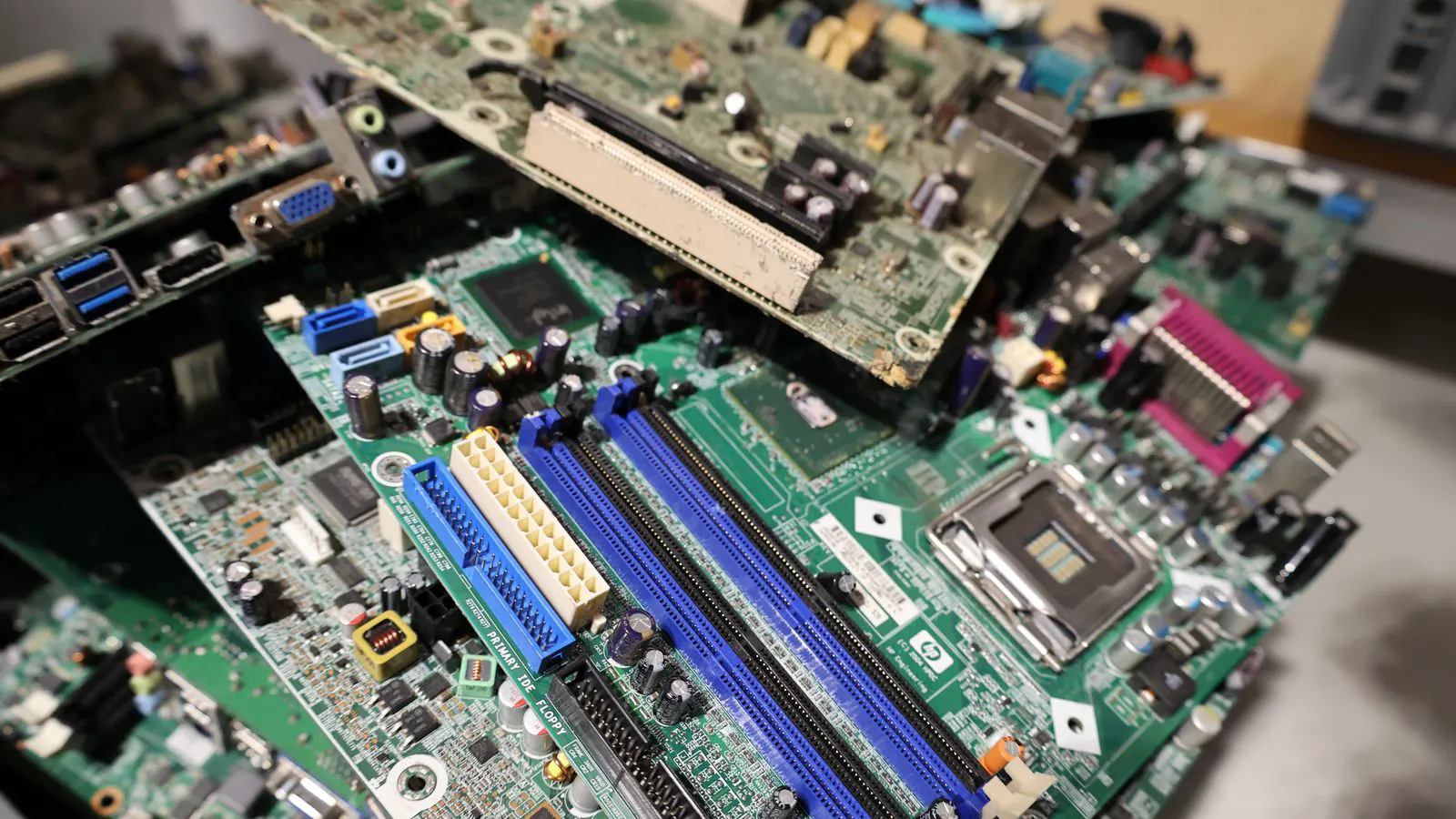
Circuit board processing is moving toward higher precision and better material separation. Buyers should plan for tighter tolerances, smarter sorting, and stricter environmental controls. This guide outlines six shifts to prepare for.
- Circuit board processing is shifting from bulk shredding to precise component extraction.
- Buyers need recovery machinery that can handle mixed and contaminated boards.
- Environmental compliance is driving upgrades in dust and gas management systems.
- Labor costs make automation the default for high-volume operations.
- Future-proofing requires planning for software updates and modular upgrades.
Where the industry is heading
Circuit board processing is moving away from simple size-based separation. Operators now face boards with smaller components, mixed materials, and stricter export rules. The machinery that handles this work is changing quickly.
The old model relied on heavy shredders and basic magnetic separators. That approach still works for low-value boards. It fails for high-density boards where gold, copper, and rare earth elements sit in tiny packages.
Buyers are now looking at systems that separate components before shredding. This keeps valuable parts intact and reduces contamination. The shift is driven by three forces: tighter environmental rules, rising component value, and labor shortages in manual sorting.
The result is a market where recovery machinery is no longer just a metal separator. It is a precision tool for extracting specific materials from a complex stack.
The shift from shredding to precision
The biggest change in circuit board processing is the move from destruction to extraction. Shredding boards destroys the structure. It releases dust and mixes materials. This makes recovery harder and creates environmental problems.
Newer systems use optical sensors, lasers, or X-ray detection to identify components. These systems feed specific parts into separate streams. A capacitor goes to one bin. A chip goes to another. A copper trace goes to a third.
This approach requires more careful engineering. The sensors must recognize thousands of component types. The feeders must move gently enough to avoid damage. The software must update as component designs change.
For buyers, this means evaluating machines not just by throughput. You must check sensor accuracy, component recognition, and the ability to handle damaged or dirty boards. A machine that sorts perfectly in a lab may fail on a real production line.
The table below shows how different approaches compare for board processing.
| Approach | Component Handling | Material Purity | Environmental Impact | Typical Use Case |
|---|---|---|---|---|
| Bulk Shredding | Destroys structure | Low to Medium | High dust risk | Low-value mixed boards |
| Optical Sorting | Selective extraction | High | Low if well managed | High-value components |
| Electrostatic Separation | Separates by charge | Medium | Low | Mixed non-metal recovery |
| Laser Cutting | Precise removal | Very High | Low | Specialized high-value parts |
| Manual Sorting | Human selection | High | Low | Small batches, QC |
The trend is clear. High-value operations are moving toward precision methods. Low-value operations are still using shredders, but they are adding better dust control and pre-sorting.
Environmental controls become the default
Dust and gas management are no longer afterthoughts. Circuit board processing creates fine particles and volatile compounds. Regulations in many markets are tightening.
Recovery machinery now includes closed-loop dust collection. Filters capture small particles before they leave the system. Some machines use scrubbers to handle gas byproducts.
Buyers must check the filtration system. Bag filters are common. They need regular replacement. Cartridge filters last longer but cost more. The choice depends on the volume and the type of dust.
Gas control is also moving forward. Some boards contain halogenated materials. Burning or heating these creates toxic fumes. Newer systems use thermal decomposition with gas treatment. This captures harmful compounds and converts them into usable energy.
For operators, this means higher upfront costs. It also means lower risk. A shutdown due to an environmental violation is far more expensive than a well-managed filtration system.
When evaluating recovery machinery, ask for the dust collection plan. Ask about gas treatment. Ask how the system handles emergency spills. These answers reveal the quality of the engineering.
Automation replaces manual sorting
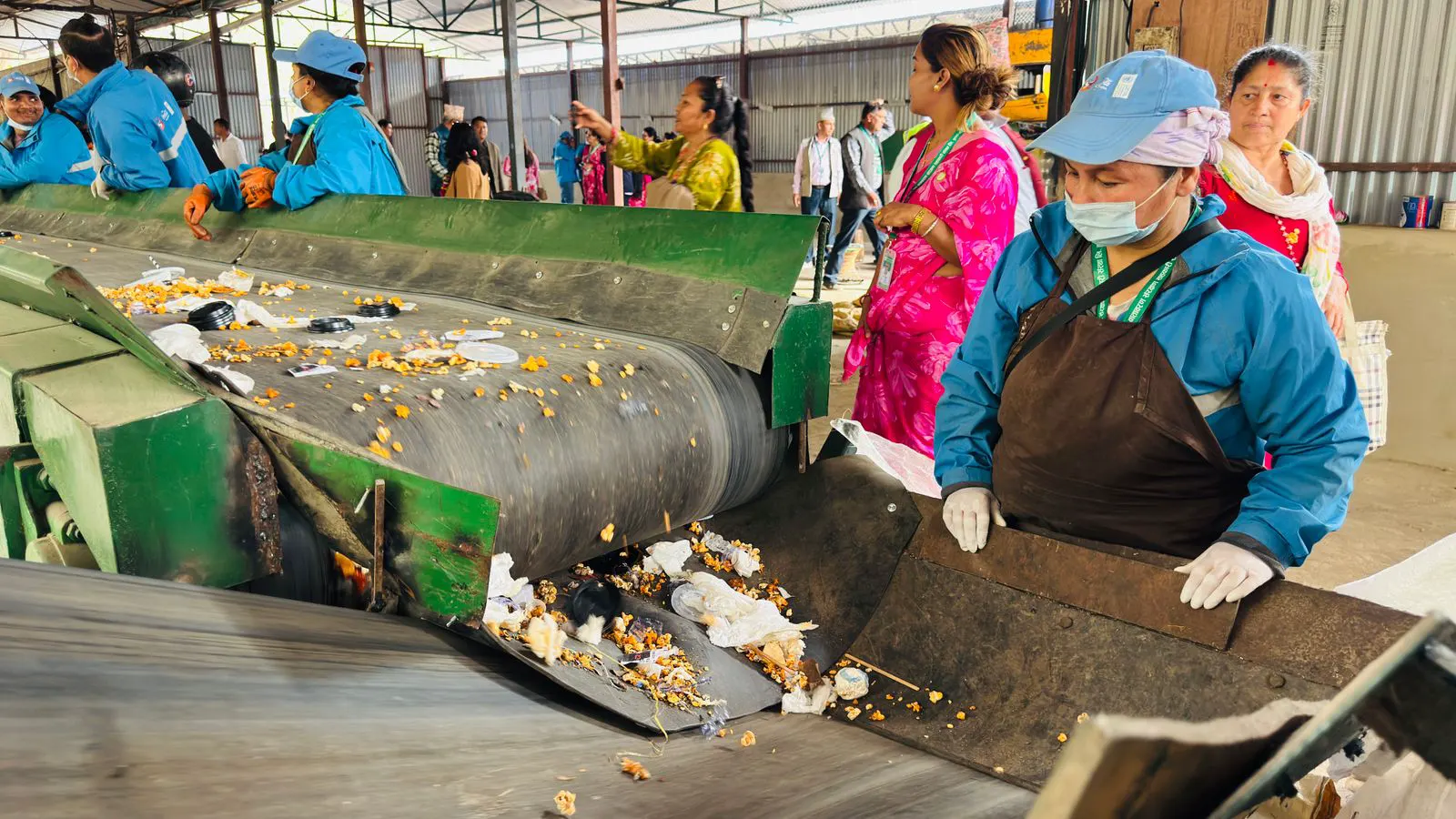
Labor is the biggest constraint in e-waste processing. Manual sorting is slow and inconsistent. It also exposes workers to sharp edges and toxic dust.
Automation is the solution. Optical sorters and robotic arms can work around the clock. They do not tire. They do not miss small components.
The key is integration. A sorting system that works alone is useless. It must feed into the next stage. It must communicate with the control system. It must handle jams and errors without stopping the line.
Buyers should look for modular designs. If the sensor technology improves, you should be able to upgrade the camera. If the robot arm needs more force, you should be able to swap the actuator.
Rigid, fixed systems are risky. The technology is still changing. A machine that is perfect today may be outdated in three years. Modular systems allow you to adapt.
The cost of automation is higher. But the cost of labor is rising faster. In most markets, the payback period for automation in high-volume operations is under five years.
Material purity drives the value chain
The value of e-waste depends on purity. A ton of copper is worth more if it is 99 percent pure than if it is 80 percent. The same is true for gold, silver, and palladium.
Circuit board processing is moving toward higher purity streams. This requires better separation. It also requires better documentation. Buyers of scrap materials need to trust the data.
Recovery machinery now includes inline analytics. XRF sensors can check material composition in real time. This data feeds into the final certificate. It proves what you sold.
This changes the business model. You are not just selling scrap. You are selling verified material. The machinery is part of the quality assurance process.
For operators, this means investing in accurate sensors. Cheap sensors give unreliable data. Bad data ruins your reputation. The cost of a good sensor is small compared to the cost of a rejected shipment.
Also consider the downstream market. Some buyers want specific grades. Others want mixed streams. Your machinery should be able to produce both. Flexibility is a key feature.
Software and data integration are the new frontier
Hardware is only half the story. The software that controls the machinery is where the real value is. Modern recovery systems use machine learning to improve sorting accuracy over time.
The software must be easy to use. Operators should not need a computer science degree. The interface should show real-time data. It should flag errors. It should generate reports.
Data integration is critical. The sorting system should talk to your inventory system. It should log every batch. It should track material movement from input to output.
This creates a digital record of every board that enters the facility. This record is valuable for compliance. It is also valuable for quality control.
Buyers should ask about software updates. Will the manufacturer support the system for five years? Ten? What does the update process look like? Can you run the old version if the new one has bugs?
The software is the brain of the operation. If it fails, the machine is useless. Do not underestimate this part of the purchase.
How to prepare for the next five years
The changes in circuit board processing are happening now. You do not need to guess the future. You need to plan for it.
First, upgrade your pre-sorting. Clean boards are easier to process. Remove large metal parts, plastics, and liquids before the main machine. This protects the sensors and improves yield.
Second, invest in dust control. Do not wait for a regulation to change. Install a good filtration system now. It is cheaper than a retrofit later.
Third, choose modular machinery. Look for machines that allow upgrades. If the sensor technology improves, you want to be able to swap the unit.
Fourth, train your staff. New machinery requires new skills. The software is complex. The maintenance is specialized. Invest in training.
Fifth, build relationships with software providers. The hardware is just the start. The software is where the value is. Make sure you have a support contract.
Final thoughts
The future of circuit board processing is precise, automated, and data-driven. The machines are getting better. The rules are getting tighter. The value of the materials is getting higher.
Buyers who prepare now will be ahead. Those who wait will pay a premium for upgrades. The cost of inaction is higher than the cost of change.
Look at your current setup. Identify the weak points. Plan for the upgrades. The recovery machinery is not just a tool. It is the core of your operation. Treat it with the care it deserves.
Frequently asked questions
What is the biggest change in circuit board processing right now?
The biggest change is the move from bulk shredding to precision component extraction. This keeps valuable parts intact and improves material purity.
Do I need to replace my current shredder?
Not necessarily. Many operators are adding pre-sorting and dust control to existing shredders. The decision depends on the value of your boards and your environmental requirements.
How important is software in recovery machinery?
Software is critical. It controls the sorting logic, tracks material purity, and generates compliance reports. A good machine with bad software is useless.
What is the best way to handle e-waste dust?
Use a closed-loop dust collection system with high-efficiency filters. This captures particles before they leave the machine and protects your workers.
How long does it take to pay back for automation in e-waste sorting?
In high-volume operations, the payback period is typically under five years. It depends on your labor costs, throughput, and the accuracy of the sorting system.