Explaining Pre-Melting Temperature Profiles in Pelletizing
The pelletizing temperature profile dictates how heat moves through the extruder and pelletizer. Proper melt temperature control prevents degradation and ensures the plastic regranulation process yields uniform, market-ready pellets.
- A defined temperature profile aligns extruder zones with the material's melting and cooling behavior.
- Melt temperature control directly impacts pellet density, molecular weight, and visual appearance.
- The plastic regranulation process requires stable heat distribution to avoid coking and inconsistent sizing.
- Operators must balance zone temperatures against feed rate and machine speed.
- Monitoring profiles helps identify when thermal settings need adjustment for different polymer grades.
The extruder barrel is more than a heated pipe. It is a thermal system that moves molten polymer from solid feed to a dense pellet. The exact temperature settings along this path form the pelletizing temperature profile. This profile defines how heat is applied, held, and removed. When the profile is off, the polymer degrades or does not fully melt. The result is a poor final product and wasted energy.
What Does a Pelletizing Temperature Profile Mean?
A pelletizing temperature profile maps the temperature setpoints for each zone of the extruder. These zones usually start with a feed section and move through melt zones, then a die and die head. Each zone has a specific job. The feed section moves the solid material without melting it. The melt zones raise the temperature until the polymer becomes a consistent liquid. The die and die head prepare the melt for cutting.
This mapping is not a single number. It is a sequence. The sequence must match the polymer type. A thermoplastic like polypropylene has a different melting point than a nylon or a PVC. The profile must also match the machine speed. Higher speeds require more heat to keep the melt moving without cooling too fast. The term melt temperature control refers to the ability of the system to hold these setpoints within a tight range. Without this control, the polymer behavior changes.
How Each Zone Affects the Melt
The feed section serves as the feeder for the extruder. Its temperature is low. If this zone is too hot, the polymer can melt prematurely. Premature melting causes the material to stick to the barrel. This creates lumps and irregular feeding. The material flow becomes unstable.
The melt zones are where the bulk of the heating happens. These zones raise the temperature to the target melt range. The heat melts the polymer and allows it to flow. The temperature here must be high enough to reach the target viscosity. It must be low enough to avoid chemical degradation. If the temperature is too high, the polymer breaks down. This changes the color and weakens the mechanical strength of the pellets.
The die and die head finish the job. The melt enters the die to form the pellet shape. The die head temperature must be stable. If it cools too much, the polymer solidifies in the die. This causes clogs and uneven pellet shapes. If it is too hot, the pellets may soften and stick together. The goal is a consistent, stable melt as it exits the machine.
How Thermal Settings Affect Pellet Quality
The visual appearance of a pellet is a direct result of the thermal process. Color changes often appear first. A brownish tint in a white pellet suggests thermal degradation. This happens when the melt temperature is too high for the material. The polymer bonds break under heat.
Density and molecular weight are harder to see but are equally important. High melt temperature can reduce the molecular weight of the polymer. This weakens the final product. Low melt temperature can cause incomplete melting. The pellet may contain undissolved particles or air bubbles. These issues reduce the strength and consistency of the recycled material.
The plastic regranulation process aims to restore the properties of the original plastic. The thermal profile is the main tool for doing this. A stable profile helps maintain the polymer structure. It also improves the surface finish of the pellets. Smooth, uniform pellets are easier to store and feed into new production lines.
How Melt Temperature Control Impacts Machine Efficiency
Energy use is a major factor in operating costs. The heating system works harder when the temperature profile is unstable. The controller constantly adjusts the heaters to keep up with changes. This increases power consumption.
Wear on the machine also increases with poor thermal control. If the polymer melts unevenly, it can stick to the barrel. This creates friction. The screw and barrel wear faster. The feeders may clog when the material does not flow smoothly. The operator spends more time clearing blockages and adjusting settings.
A stable melt temperature control system reduces these problems. The heaters and coolers work in a balanced way. The polymer flows predictably. The machine can run at a steady speed for longer periods. This improves the overall throughput and reduces downtime.
A Worked Example in Plain Words
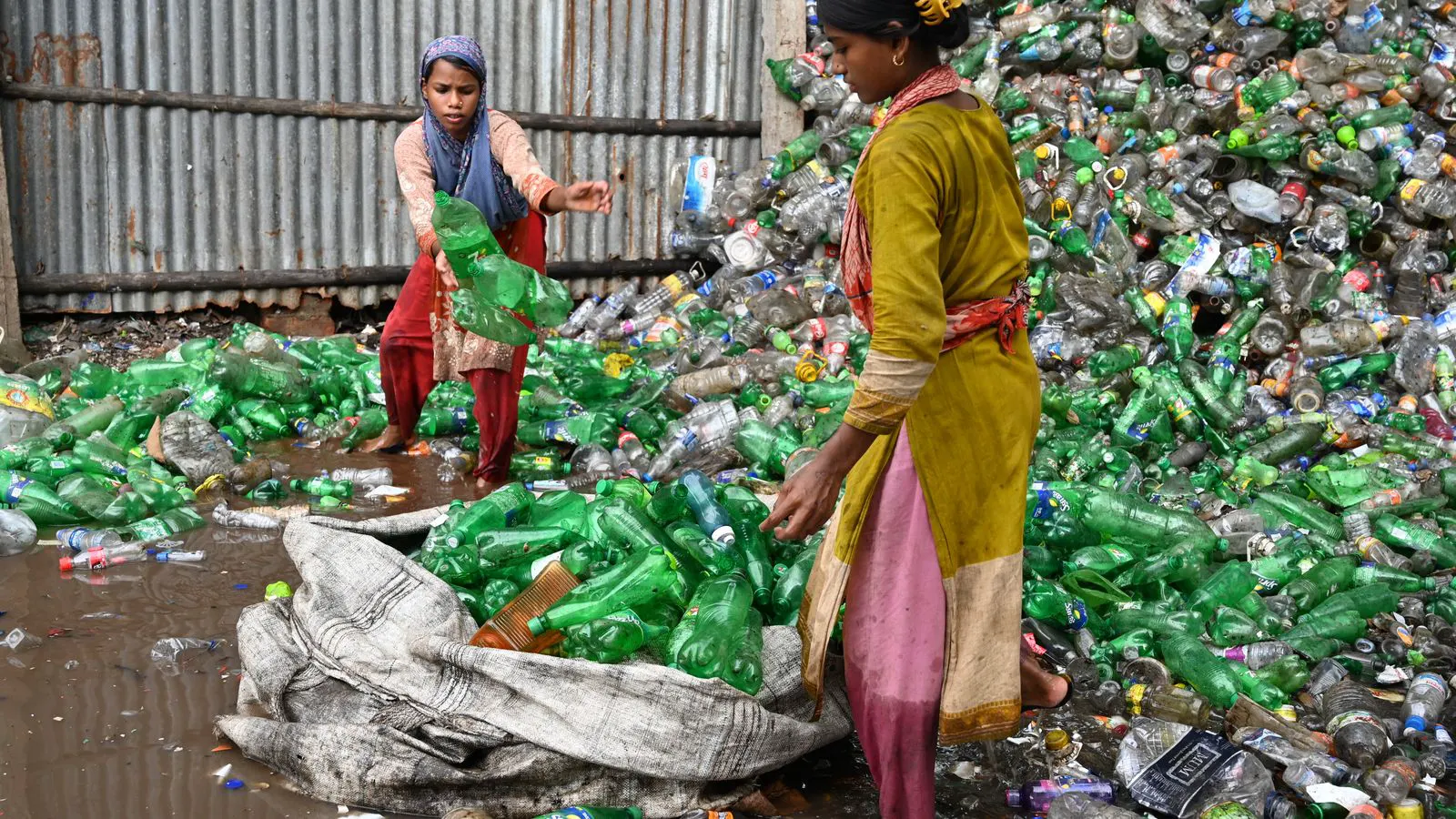
Imagine a facility that processes post-consumer polyethylene bottles. The material contains small amounts of dirt and mixed colors. The goal is to produce clear, consistent pellets.
The operator sets the feed zone at a low temperature. This keeps the bottles in solid form as they enter the machine. The first melt zone heats the material until it begins to melt. The second melt zone raises the temperature further to ensure complete melting. The die head is set to a temperature that keeps the melt fluid as it exits the die.
If the operator raises the second melt zone too much, the polymer starts to degrade. The pellets come out with a yellowish tint. The machine may also show signs of clogging. The operator must lower the temperature and check the feed rate.
If the die head is too cool, the pellets may stick together. The operator must raise the temperature slightly. The goal is to find the balance. This balance is the correct pelletizing temperature profile for that specific material and machine setup.
How to Choose and Adjust Settings for Sourcing
When buying or specifying a plastic recycling line, the thermal system is a key feature to evaluate. Look for a machine that offers independent temperature control for each zone. This allows the operator to fine-tune the profile. The control system should be able to log temperatures over time. This helps track consistency and identify issues.
The material being processed is the starting point. The supplier of the feed material should provide the melting range and thermal stability limits. The operator uses this data to set the initial profile. The machine’s manual provides the maximum safe temperatures.
Adjustments happen during testing. The operator runs a small batch and inspects the pellets. If the color or texture is off, the temperature is adjusted. This process is part of the plastic regranulation process. It ensures the machine is set correctly for the specific feedstock.
Common Mistakes in Temperature Profile Setup
Setting all zones to the same temperature is a common error. This ignores the different needs of each zone. The feed zone needs low heat, while the melt zones need high heat. A uniform setting leads to poor performance.
Ignoring the material’s history is another mistake. Recycled plastic often contains impurities. These impurities can lower the melting point or increase the risk of degradation. The operator must adjust the profile to account for these variables.
Not monitoring the profile over time is a final error. The thermal system changes as the machine ages. The heaters may lose efficiency. The operator must check the profile regularly. This prevents small issues from becoming major failures.
| Zone | Primary Function | Typical Temperature Range | Key Risk if Mismatched |
|---|---|---|---|
| Feed | Solid material transport | Low | Premature melting, sticking |
| Melt | Polymer melting and mixing | High | Degradation, incomplete melt |
| Die/Head | Pellet formation and cooling | Medium | Clogs, sticking, uneven shape |
- Review the thermal stability data for the specific polymer grade.
- Set the feed zone temperature to keep the material solid.
- Raise the melt zone temperatures to the target melting range.
- Adjust the die head temperature to maintain a fluid melt.
- Run a test batch and inspect the pellets for color and shape.
- Fine-tune each zone based on the test results.
Frequently asked questions
What is the main purpose of a pelletizing temperature profile?
The profile maps the heat applied across each extruder zone. It ensures the polymer melts evenly without degrading.
How does melt temperature control affect pellet density?
Stable control prevents air bubbles and uneven melting. This leads to denser, more consistent pellets.
Can the same profile work for different plastics?
No. Different polymers have different melting points and thermal limits. The profile must be adjusted for each material.
What happens if the die head is too hot?
The pellets may soften and stick together. This causes uneven shapes and makes the product difficult to handle.
How often should the temperature profile be checked?
The profile should be checked during every material change and regularly during normal operation. This ensures consistent quality. ===END===