Twin Barrel vs Single Barrel Extruder Selection

Twin barrel extrusion suits high throughput and multi material blending, while single barrel units handle narrow feedstocks at lower cost. Selection depends on material consistency, required output, and space.
- Twin barrel extruders handle complex, inconsistent waste streams with better mixing and higher throughput.
- Single barrel extruders offer lower capital cost and simpler maintenance for steady, clean feedstock.
- Material consistency, target output, and available floor space drive the final choice.
- Check screw design, barrel temperature zones, and die compatibility before finalizing equipment.
- Trial runs with real waste samples are required to validate pellet quality and line stability.
Why Extruder Type Drives Line Performance
The extruder is the heart of a plastic recycling pelletizing line. It controls how waste plastic is melted, mixed, and shaped into uniform pellets. The choice between a twin barrel and a single barrel configuration directly affects throughput, pellet quality, and operating cost.
Selection depends on the waste stream. A stream with steady density, color, and melt behavior suits a single barrel. A mixed stream with varying moisture, contaminants, or multiple resins needs the additional mixing and separation capacity of a twin barrel.
Both types use screw and barrel principles, but they differ in architecture and process control. This difference changes how the line handles real plant waste.
What Is the Core Difference Between Twin and Single Barrel Extruders
A single barrel extruder uses one long barrel and one screw. The screw draws material in, heats it through friction and barrel heaters, and pushes it to the die. The process is straightforward. The material travels in one continuous path.
A twin barrel extruder uses two barrels and two screws. The first barrel, often called the prep or mixing barrel, handles initial melting, mixing, and sometimes degassing. The second barrel, the main barrel, refines the melt and feeds the die. The two barrels work in sequence.
This split changes the process. The prep barrel can handle inconsistent feed. The main barrel maintains a stable melt for pelletizing. The result is better control over viscosity, color, and contaminants.
Comparison of Extruder Types for Recycling
The table below shows how the two main approaches compare.
| Option | Best for | Limitations |
|---|---|---|
| Single barrel extrusion | Steady, clean feedstocks with consistent density and color | Struggles with inconsistent waste, high moisture, or multi material blending |
| Twin barrel extrusion | Mixed waste, high throughput, and complex blending | Higher capital cost, larger footprint, and more maintenance points |
| Twin barrel with prep barrel | Degassing, moisture sensitive resins, and color correction | Requires careful screw design to avoid dead zones |
| Single barrel with high shear screw | Narrow material streams where simple mixing is enough | Limited capacity for heavy contamination or multiple resin types |
| Co-rotating screw twin barrel | High shear blending of incompatible or semi compatible polymers | Higher wear rates on screws and barrels, and more frequent maintenance |
The choice is rarely about which is better. It is about which fits the material and the plant.
When to Choose a Twin Barrel Extruder
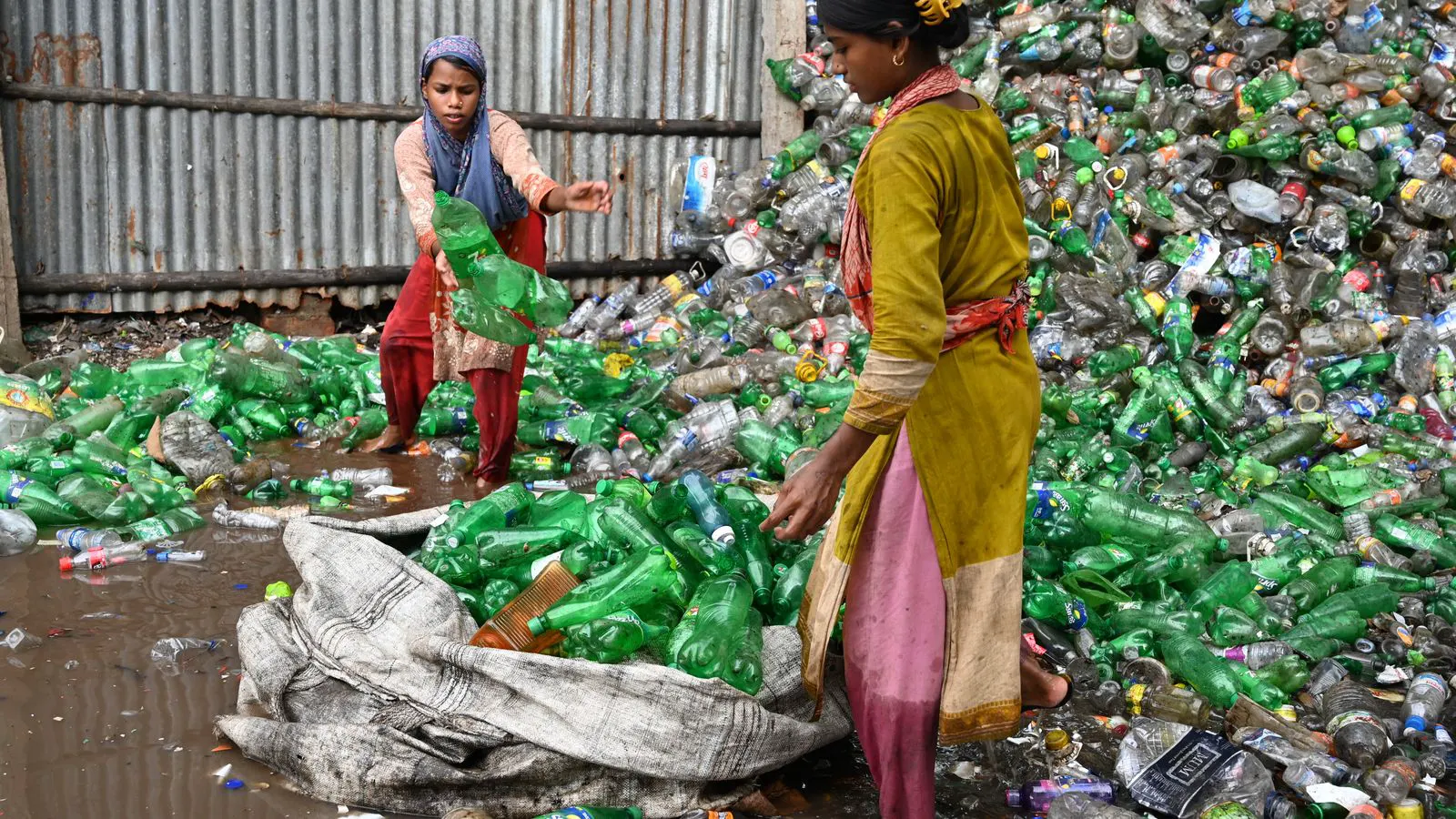
A twin barrel extruder is the right fit when the waste stream is inconsistent. Mixed post consumer plastic often contains varying densities, colors, and melt behaviors. The prep barrel handles this variation. It can break down lumps, mix components, and remove some volatile materials before the melt enters the main barrel.
Throughput is another factor. Twin barrel extruders can run at higher rates because the main barrel operates on a stable melt. The prep barrel absorbs the variability. This is useful when the line needs to meet high target output from a fluctuating feed.
Multi material blending also favors twin barrels. If the line recovers different resin types, the prep barrel can mix them more effectively. The main barrel then produces a consistent pellet. Co-rotating screw designs in twin barrels can handle high shear blending, but they increase wear.
Twin barrels also help with degassing. Moisture sensitive resins can be processed more reliably when the prep barrel removes volatile materials. The main barrel then feeds dry, stable melt to the die.
When a Single Barrel Extruder Fits Better
A single barrel extruder works well when the feed is clean and consistent. If the waste stream is a single resin type with stable density and color, the simpler design performs well. The material path is shorter. Heat input is easier to manage. The line has fewer moving parts.
Capital cost is lower. Single barrel units are cheaper to buy and install. They also take less floor space. For small to medium lines, this can be a major advantage.
Maintenance is simpler. There is one barrel, one screw, and one set of temperature zones. Troubleshooting is more direct. If the melt behaves poorly, the cause is usually easier to trace.
Throughput is adequate for steady streams. If the target output is moderate and the feed is stable, a single barrel can keep up. The limitation appears when the feed becomes inconsistent. The line may need more downstream screening or a larger die to maintain pellet quality.
Key Technical Considerations for Twin Barrel Extruder Selection
Selecting the right twin barrel setup requires attention to several design elements.
-
Screw design. The prep barrel screw should handle the expected waste. A deep flight design can mix and break down material. A shallow flight design moves material faster but mixes less. Co-rotating screws provide high shear but wear faster.
-
Barrel temperature zones. The prep barrel may run hotter to handle wet or contaminated feed. The main barrel runs cooler to stabilize the melt. Temperature profiles must match the resin and the waste type.
-
Die compatibility. The die must match the target pellet size and shape. The melt viscosity must stay stable at the die face. If the prep barrel does not stabilize the melt, the die will produce uneven pellets.
-
Degassing capacity. If the waste contains moisture or volatile compounds, the prep barrel should have enough residence time to remove them. This may require a longer prep barrel or a vacuum or inert gas system.
-
Floor space and installation. Twin barrels are longer and heavier. The line needs room for the prep barrel, the main barrel, the die, and the pelletizer. Check the plant layout before ordering.
How Waste Stream Quality Changes the Decision
The quality of the waste feed is the main driver. A sorted, clean stream with one resin type favors a single barrel. A mixed stream with multiple resins, colors, and densities favors a twin barrel.
Moisture is another factor. Wet waste can cause bubbles and poor pellet quality. A twin barrel with a prep barrel can handle moisture better. A single barrel may need a drier feed or a larger die to manage the bubbles.
Color consistency matters too. If the line must produce uniform color pellets from variable feed, a twin barrel with a prep barrel can mix and blend the colors before pelletizing. A single barrel may produce color streaks or batch variation.
The level of contamination also plays a role. Heavy contamination can clog a single barrel or require larger screens. A twin barrel can handle more variation before the melt reaches the die. The prep barrel acts as a buffer.
Practical Selection Steps for Plant Managers
Start with the feed data. Measure the resin type, density, color, moisture, and particle size. If the feed varies week to week, plan for a twin barrel.
Define the target output. If the line must run at high speed for long periods, a twin barrel is more reliable. If the output is moderate, a single barrel may be enough.
Check the pellet quality requirements. If the pellets must meet tight specifications for downstream processing, a twin barrel gives more control. If the pellets are for internal use with looser specs, a single barrel may work.
Review the plant constraints. Floor space, power supply, and maintenance staff all matter. Twin barrels need more space and more skilled maintenance. Single barrels are easier to run in small plants.
Run a trial. Use real waste samples from the plant. Test the line for at least several hours. Check pellet size, color, melt behavior, and throughput. The trial data will confirm or challenge the initial choice.
Common Mistakes in Extruder Selection
One mistake is choosing based on throughput alone. A line may need high output, but if the feed is clean and steady, a single barrel may be enough. Buying a twin barrel without a need for extra mixing wastes money.
Another mistake is ignoring the feed variation. A plant may have a clean feed today but a mixed feed next month. The extruder must handle the worst case, not the best case. If the feed is expected to change, select the more flexible option.
A third mistake is underestimating maintenance. Twin barrels have more parts. Screws, barrels, heaters, and seals all need service. The plant must have the staff and parts inventory to support the extra complexity.
A fourth mistake is skipping the trial. Many plants order equipment based on brochure data. The real feed may behave differently. A short trial with actual waste samples prevents costly changes later.
Final Selection Criteria
The best extruder type is the one that matches the feed, the output target, and the plant constraints. Twin barrel extrusion gives more control and handles inconsistent waste. Single barrel extrusion is simpler, cheaper, and easier to maintain.
Review the feed data, define the output target, and check the plant layout. Use the trial run to validate the choice. The extruder is a long term asset. Select it based on the real waste stream, not on a generic specification sheet.
Frequently asked questions
Which extruder type is better for high throughput?
Twin barrel extruders can run at higher rates because the prep barrel stabilizes the melt. Single barrels can handle high output only when the feed is clean and steady.
Can a single barrel extruder handle mixed waste?
It can handle limited variation, but it struggles with inconsistent density, color, or moisture. A twin barrel is more reliable for complex mixed waste.
What is the main advantage of a twin barrel setup?
It separates mixing and melting into two stages. The prep barrel handles variation, and the main barrel stabilizes the melt for the die.
How does moisture affect the choice?
Wet waste favors a twin barrel with degassing capacity. A single barrel may produce bubbles and poor pellet quality if the feed is wet.
Do twin barrels need more maintenance?
Yes. They have more screws, barrels, and seals. The plant must plan for more frequent service and keep spare parts available.