Plastic Pelletizing Line Material Flow Explained
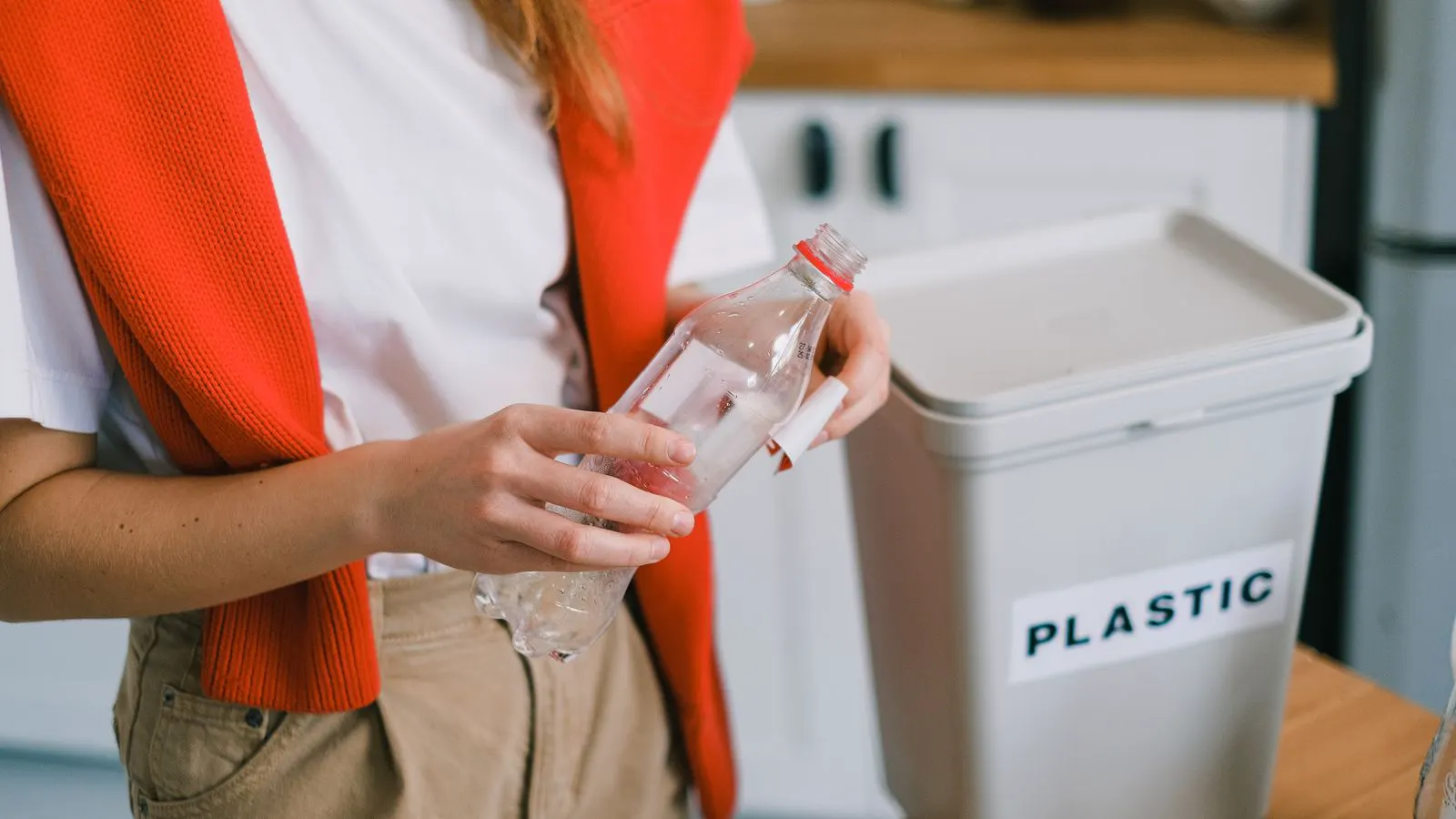
Material flow in plastic recycling describes how raw feed moves through shredding, washing, drying, and extrusion. This article explains the physical movement, bottleneck points, and how flow design affects equipment sourcing for pelletizing lines.
- Material flow defines the path and speed of feed from raw plastic to finished granules
- Each stage must handle the same throughput to avoid bottlenecks
- Washing and drying stages are the most common flow disruption points
- Sourcing decisions should match expected material flow rates and feed consistency
- A single worked example clarifies how flow logic applies to a mixed PET line
How Material Flow Works in a Pelletizing Line
Material flow plastic recycling describes the physical movement of feed through a line from raw or post-consumer plastic to finished granules. The term covers the volume, speed, and direction of material as it passes through shredders, washers, dryers, extruders, and cooling sections.
A pelletizing line is not a single machine. It is a chain of machines where each unit must accept and release material at a compatible rate. If one stage moves faster than the next, inventory builds up. If one stage moves slower, the upstream equipment starves. Both conditions create operational problems.
The material flow determines line sizing more than any single machine specification. A 5,000 kg per hour pelletizing line is not defined only by the extruder. It is defined by whether the grinder, wash tank, dryer, and extruder can all handle that rate continuously.
Key Stages and Their Role in Flow
Most conventional plastic regranulation lines follow a recognizable sequence. Each stage has a specific mechanical function and a flow constraint.
-
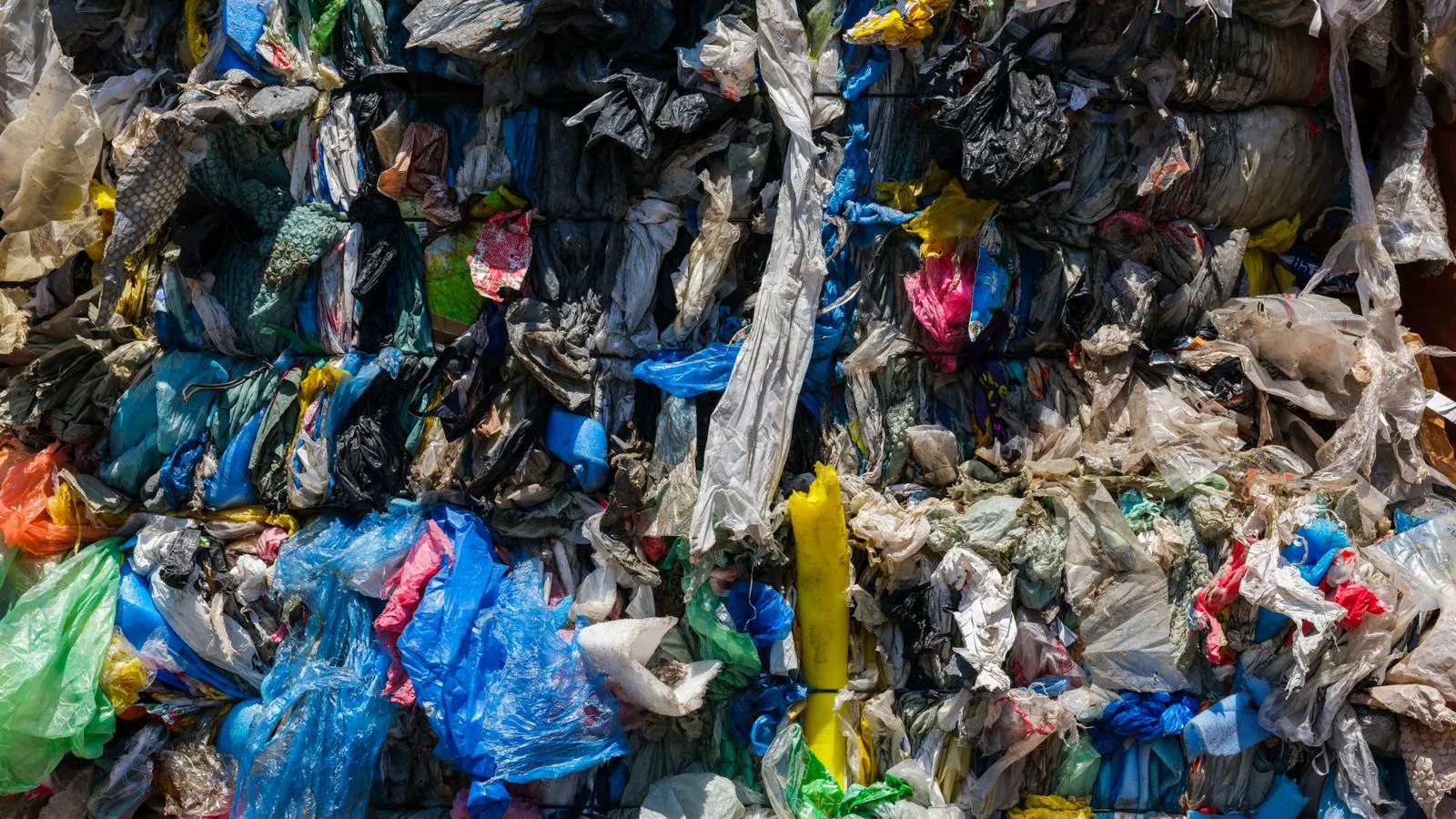
Shredding or Granulation, Feed enters as irregular shapes such as bottles, panels, or old film. The grinder or shredder breaks material into smaller pieces. Flow here is affected by feed shape, moisture, and material thickness.
-
Washing, Material passes through wash tanks, cyclones, or flotation units. Water and solids remove contaminants. Flow here is affected by water circulation and solid load.
-
Drying, Material moves to a dryer such as a vacuum dryer, fluidized bed, or hot air dryer. Water is removed before extrusion. Flow here is affected by residence time and temperature.
-
Extrusion, Material enters an extruder and is melted, filtered, and forced through a die. The die cuts or strips the melt into strands. Flow here is affected by barrel temperature, screw speed, and melt viscosity.
-
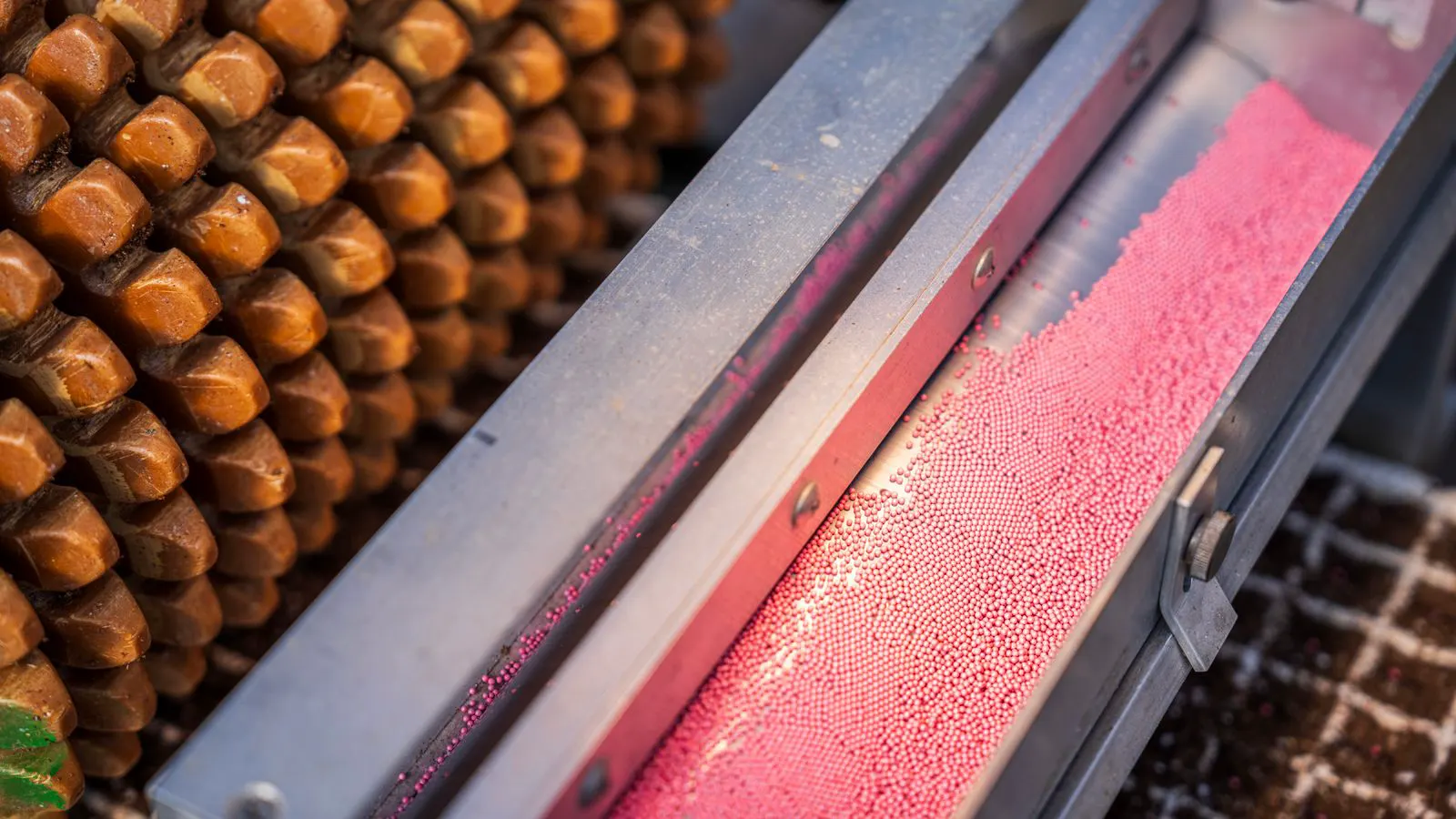
Cooling and Pelletizing, Strands pass through a water bath or air cooler. A cutter or pelletizing knife cuts strands into granules. Flow here is affected by cooling rate and cutting speed.
A single failure in any stage disrupts the full line. A clogged filter in the extruder slows downstream output. A wet dryer load creates moisture spikes in the melt. A dirty wash tank sends contaminated material to the dryer.
How Flow Rate Determines Equipment Sizing
Buyers often size equipment around the extruder. The extruder barrel diameter and screw speed set the maximum melt capacity. However, the rest of the line must support the same rate.
The table below shows typical flow constraints by stage. These are general relationships, not fixed rules. Actual values depend on material type, line configuration, and operating conditions.
| Stage | Primary Flow Constraint | Common Bottleneck | Sourcing Implication |
|---|---|---|---|
| Shredding | Feed shape and thickness | Uneven feed or jammed feeders | Match grinder opening size to raw material size |
| Washing | Water circulation and solid load | Clogged cyclones or overflow | Size tanks for peak load, not average load |
| Drying | Residence time and water removal | Incomplete drying | Match dryer capacity to extruder feed rate |
| Extrusion | Melt viscosity and screw speed | Filter clogging or pressure drop | Select die and filter based on material purity |
| Cooling and Pelletizing | Cooling rate and cutting speed | Long or inconsistent granules | Match cooler length to extruder output rate |
A line rated for 3,000 kg per hour must have each stage capable of handling that rate. If the shredder can only feed 2,500 kg per hour continuously, the extruder will starve during peak operation. If the dryer cannot handle 3,000 kg per hour of wet material, the extruder feed will contain excess moisture.
Sourcing decisions should start from the expected feed rate, not from the largest machine in the line. The extruder is visible, but the flow path is invisible until it fails.
How Material Type Changes Flow Behavior
Different plastics behave very differently through the same line. The material flow changes when feed type changes.
Post-consumer PET bottles have a different flow profile than industrial film or rigid panels. PET feed often arrives as small irregular shapes with labels and caps attached. The shredder must handle mixed shapes. The wash stage must remove adhesives and labels. The dryer must remove residual moisture from the wash water.
Film pellets or regrind behave more consistently. The feed is uniform, the wash load is lower, and the dryer residence time can be shorter. The extruder sees a more predictable melt. The pelletizing knife cuts more cleanly.
Mixed rigid plastic such as panels or appliances presents a different challenge. Feed shapes are larger and denser. The shredder needs higher torque. The wash stage may need stronger agitation. The dryer may need higher temperature to remove trapped moisture in thicker sections.
When sourcing equipment, specify the material type. A pelletizing line designed for clean regrind will behave differently with dirty post-consumer bottles. The same extruder model may require different filter sizes, different screw profiles, and different drying settings.
Worked Example: Flow Through a Mixed PET Line
A facility processes 4,000 kg per hour of mixed post-consumer PET bottles. The material arrives in 200 kg bales. Each bale contains bottles with labels, caps, and residual labels.
The feed enters a baler opener and then a shredder. The shredder breaks bottles into 30 mm to 60 mm pieces. Some pieces are thin film. Some are thick bottle walls. The shredder output is a wet, irregular stream.
The material moves to a primary wash tank with a flotation unit. Water circulates through the tank. Labels and light contaminants float to the surface and are skimmed. Dense particles sink to the bottom. The material is pumped through a cyclone to separate fine solids from the water.
After washing, the material is transferred to a dryer. The dryer removes water. The residence time in the dryer is long enough to bring the material to a low moisture level. The material exits the dryer as a dry, granular stream.
The dryer output feeds into the extruder hopper. The extruder melts the PET. Melt pressure must be sufficient to force material through the filter and die. The die produces a continuous strand. The strand passes through a water cooler. A cutter slices the strand into 3 mm granules.
The finished granules collect in a silo. The line runs continuously. If the shredder slows, the wash tank overflows. If the dryer runs slow, the extruder sees wet material. If the extruder filter clogs, the strand breaks and the cooler stops.
This example shows how material flow plastic recycling is a chain. Each stage depends on the previous stage. A change in feed type, feed rate, or wash water quality changes the flow at every downstream stage.
How Flow Design Affects Sourcing Decisions
The material flow determines which equipment to buy and which to rent. It also determines maintenance intervals and operator training.
Buyers should ask vendors to define flow at each stage. The extruder brochure may list 2,000 kg per hour. The shredder brochure may list 3,000 kg per hour. The dryer brochure may list 1,500 kg per hour. The line is only 1,500 kg per hour.
Sourcing decisions should match the expected material flow to the actual feed profile. A line for clean regrind needs less washing. A line for dirty post-consumer material needs more washing and more drying. The equipment list changes accordingly.
Operator training is affected by flow. A line with a long wash stage requires operators to monitor water levels, pH, and solids removal. A line with a short dryer stage requires operators to monitor moisture. The training content changes with the flow path.
Maintenance intervals also depend on flow. A line that processes abrasive materials wears filters faster. A line that processes sticky materials fouls dies more quickly. The material flow sets the maintenance schedule.
Common Flow Problems and How They Appear
Flow problems appear as symptoms. The symptom is often at the end of the line. The cause is at the beginning.
- Extruder output drops, The cause may be a clogged filter, a wet dryer load, or a slow feeder.
- Granules are long or irregular, The cause may be a slow cutter, a hot strand, or a pressure fluctuation in the extruder.
- Wash tank overflows, The cause may be a slow shredder, a stuck feed gate, or a high water level.
- Dryer output is wet, The cause may be too short a residence time, too low a temperature, or too high a feed rate.
- Extruder barrel temperature spikes, The cause may be a wet material, a stuck screw, or a blocked melt.
Operators who understand material flow can diagnose problems faster. They trace the flow path. They check the stage where the symptom appears. They check the stage upstream. The cause is usually where the flow changed.
Final Considerations for Line Design
The material flow plastic recycling is not a single number. It is a set of relationships between stages. The buyer must define the flow before selecting equipment.
Start with the expected feed rate. Define the feed type. Define the contamination level. Define the desired output quality. Then size each stage to match. The line will run smoothly when each stage handles the same flow.
The pelletizing process and plastic regranulation both depend on this flow logic. A well-designed line moves material without interruption. A poorly designed line moves material with bottlenecks, downtime, and inconsistent output.
Understanding the flow path is the first step in sourcing a reliable pelletizing line. The machines are visible. The flow is the design.
Frequently asked questions
What is material flow in a plastic recycling line?
Material flow is the movement and rate of feed through each stage of a pelletizing line, from shredding to finished granules.
How does material flow affect equipment sizing?
Each stage in the line must handle the same throughput. If one stage is slower, the whole line slows.
What is the most common flow bottleneck in a washing stage?
Clogged cyclones, overfilled tanks, or slow water circulation are common flow bottlenecks in washing stages.
How does material type change the material flow?
Dirty post-consumer feed requires more washing and drying than clean regrind, changing the flow path and equipment load.
How do operators diagnose flow problems?
Operators trace the symptom through the flow path and check the stage where the material flow changed.