Cost and Lead Time for New Plastic Pelletizing Lines
A new plastic pelletizing line cost depends on throughput, material prep, and automation. Delivery schedules vary by complexity. A clear RFQ with specific requirements helps buyers compare quotes fairly and avoid unexpected delays during the capital planning stage.
- Feedstock preparation and sorting requirements drive a large share of the total capital cost.
- Delivery timelines often extend when custom skid designs or specialized controls are needed.
- A detailed RFQ listing throughput and material specs allows vendors to provide comparable quotes.
- Compare quotes by checking included auxiliaries, spare parts, and installation support.
What drives the cost of a new line
The price of a plastic pelletizing line package is rarely a single number. It reflects the throughput target, the condition of the input material, and the level of automation chosen for the facility. A line designed to handle clean, uniform resin pellets will cost less than one that requires extensive sorting and grinding. The gap between these two scenarios can be significant.
Throughput is the first variable. Vendors price extruders, cooling sections, and cutting heads based on the kilograms per hour output. Higher output rates require larger barrels, more powerful drive systems, and thicker cooling water loops. These components add weight and complexity to the skid. A line producing 500 kg/h will have a much smaller footprint than one producing 2000 kg/h. The difference is not just in the extruder size. It extends to the cooling capacity and the power draw of the entire skid.
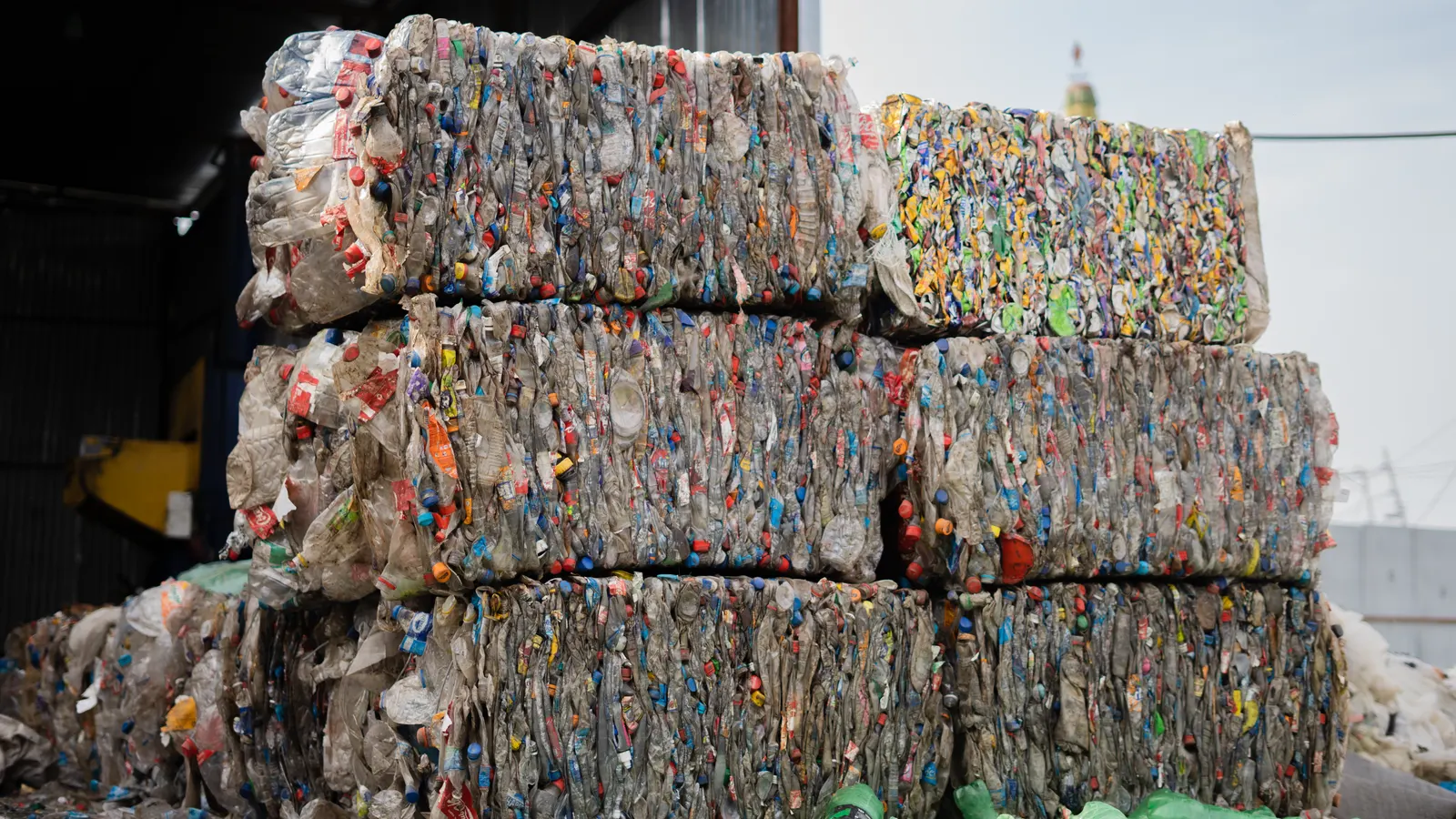
Feedstock condition changes the equipment mix. If the plant processes post-consumer waste, the line needs a sorting section, possibly a magnetic separator, and an optical sort. If the input is clean post-industrial regrind, those items may be omitted. Removing the sorting section reduces the footprint and the capital expenditure. It also shortens the installation window. For example, a line taking in mixed multilayer film requires a high-speed grinder and a strong magnetic separator to remove staples and wire. A line taking in clean HDPE bottle flake skips the heavy-duty grinder entirely.
Automation adds another layer. Manual loading and manual bagging keep labor costs high but reduce the initial capital outlay. Automated feeders, robotic palletizers, and integrated control rooms increase the price. They also improve the consistency of the final pellet. Engineers often weigh the return on investment against the budget ceiling before selecting the control level. A facility with low labor costs might choose a manual setup to keep the purchase price down. A facility with high labor costs might pay a premium for a fully automated line to offset operational expenses.
How lead time is calculated for each component
A pelletizing line lead time is built from several parallel tracks. The extruder and the cooling system are usually the longest lead items. These are precision items with strict tolerances. The vendor must order the barrels, the bearings, and the drive motors from specialized suppliers. The barrel manufacturing alone can take several weeks, depending on the wall thickness required for high-temperature plastics.
The sorting and grinding sections have shorter lead times. These parts are standard mechanical items. The electrical panel and the control software can be built in parallel. However, the final assembly and testing cannot start until the main mechanical skid is complete. The cooling system often waits for the extruder to be installed, as the water loop must be sized to match the heat load of the specific barrel diameter.
Customization extends the schedule. If the buyer requires a specific skid layout to fit an existing plant floor, the vendor must draft the CAD models. They must also order custom structural steel. This adds weeks to the lead time. Standard skids are faster because they are off the shelf. A buyer who needs the line to fit through a narrow factory door must account for this extra engineering time.
Logistics also affect delivery. A full line is heavy. It often requires a flatbed truck and a crane for offloading. If the site has narrow access roads or low ceiling heights, the vendor may need to split the shipment. This creates a second delivery date. The buyer should confirm the transport method during the quotation phase. Split shipments mean the site must be prepared for two separate unloading events, which doubles the labor cost on the installation day.
How to write a clear RFQ for better quotes
A clear RFQ removes the guesswork from the vendor’s pricing. The buyer should list the exact plastic types, such as HDPE, LDPE, or PVC. The moisture content and particle size of the input material should be included. These details allow the engineer to size the grinder and the extruder correctly. For instance, wet film requires a different drying approach than dry bottle flake. Specifying the moisture level prevents the vendor from over-specifying the cooling system.
State the required throughput in kilograms per hour. A range is acceptable if the demand is seasonal, but a specific number is better. The buyer should also define the quality of the final pellet. This includes the diameter, the moisture level, and the color consistency. A vague specification leads to a high-priced quote that includes unnecessary upgrades. If the buyer does not specify the pellet diameter, the vendor will default to a standard size. This might not match the downstream process, leading to a change order later.
Include the site constraints. The available floor space, the power supply voltage, and the ambient temperature matter. If the site is in a cold climate, the vendor may need to add insulation to the control cabinet. If the power is unstable, a voltage regulator is required. These details prevent change orders later. A buyer who forgets to mention the voltage might find that the standard three-phase equipment does not match the site’s two-phase supply, requiring a new transformer or a new control panel.
How to compare vendor quotes fairly
Comparing quotes is difficult when the scope differs. One vendor may include the sorting section, while another charges for it as an add-on. The buyer must normalize the scope before comparing the final price. A simple spreadsheet helps. List each line item separately. Do not compare the total price directly. Compare the price of the extruder against the extruder, and the cooling system against the cooling system.
Check what is included in the base price. Does it cover the extruder, the cooling system, and the cutter? Does it include the electrical panel and the control software? Some quotes include the spares kit, while others do not. The spares kit usually contains bearings, blades, and seals. It is a worthwhile addition for long-term operation. Without a spares kit, a simple bearing failure can stop the line for weeks while waiting for a replacement part.
Look at the service plan. Does the vendor offer remote support or on-site training? The training duration and the number of operators covered should be specified. A line without proper training will not run at full efficiency. The vendor should provide a manual and a training video. Ask for the training schedule in writing. If the vendor only offers remote support, ensure that the control software is compatible with the site’s network.
A practical table of cost drivers
The following table lists the main factors that influence the final price and the delivery schedule.
| Cost Driver | Impact on Price | Impact on Lead Time |
|---|---|---|
| Throughput rate | Higher rate increases extruder size and cost | Standard rates are faster; custom rates take longer |
| Input material | Dirty waste requires sorting equipment | Sorting adds mechanical complexity and assembly time |
| Automation level | Robots and auto-feeds raise capital cost | Custom controls require programming and testing |
| Skid layout | Custom steel costs more than standard | CAD design and steel fabrication extend the schedule |
| Site constraints | Power upgrades and insulation add cost | Logistics planning may split the shipment |
Common mistakes in budgeting and planning
Many buyers underestimate the cost of auxiliaries. The line needs a cooling water pump, an air compressor, and a vacuum system. These items are often excluded from the main machine price. The buyer should add a buffer for these systems. A cooling water system for a large extruder is not a simple plumbing job. It requires pumps, heat exchangers, and a filter. These components add a significant amount to the total capital expenditure.
Another common mistake is ignoring the installation labor. The vendor may deliver the line, but the buyer must provide the crane and the floor prep. If the floor is not level, the skid will vibrate. This causes early wear on the bearings. The buyer should check the floor condition before finalizing the contract. A concrete floor that is not properly cured or levelled can cause alignment issues with the extruder. This leads to poor pellet quality and higher maintenance costs.
Timing the purchase is also a factor. If the buyer rushes the RFQ process, the vendor may not have enough time to source the parts. A two-week delay in the specification can push the delivery date back by several weeks. The buyer should give the vendor enough time to plan the production schedule. Rushing the technical review often leads to errors in the final design. These errors must be fixed during assembly, which delays the entire project.
How to verify the delivery date
The vendor should provide a detailed production schedule. This list shows the order date, the assembly date, and the testing date. The buyer should ask for the testing report before the shipment. The report should show the throughput test and the quality check. A proper test report will list the exact weight of the pellets produced, the temperature of the barrel, and the moisture level of the final product. Without this data, the buyer cannot verify that the machine meets the specifications agreed upon in the contract.
If the delivery date slips, the buyer should ask for a written explanation. Is the delay due to a supplier issue or a manufacturing bottleneck? Understanding the cause helps the buyer decide whether to escalate the issue. A reliable vendor will keep the buyer informed. They will not hide the delay. If the delay is caused by a raw material shortage, the buyer might be able to adjust the production plan to accommodate the new date. If the delay is caused by a manufacturing error, the buyer should consider whether the vendor is capable of delivering the machine on time in the future.
The final step is to check the documentation. The machine manual, the electrical diagram, and the warranty certificate must be included. Without these documents, the maintenance team will struggle to fix issues. The electrical diagram is particularly important. It shows the wiring of the control panel and the connections to the site power. Without this, troubleshooting a fault can take days instead of hours. The buyer should confirm that the documents are ready before accepting the delivery.
Frequently asked questions
What is the main factor in a plastic pelletizing line cost?
Throughput and the condition of the input material are the main drivers. A line that processes dirty waste with sorting equipment will cost significantly more than a line that handles clean regrind.
How long does a standard pelletizing line take to deliver?
A standard line usually takes several months. Custom designs or specialized controls can extend the lead time. The buyer should confirm the production schedule during the RFQ stage.
What should be included in a budget for a recycling line?
The budget should cover the main machine, auxiliaries, installation labor, and a spares kit. Buyers often forget the cost of the cooling system and the electrical upgrades.
How do I compare quotes from different vendors?
Normalize the scope first. List every included item separately. Check for auxiliaries, spares, and training. A lower price with fewer inclusions may be more expensive in the long run.
Can I reduce the cost of a new line?
Yes. Reducing the automation level or using a standard skid layout can lower the capital cost. However, manual operation increases labor costs. The buyer must balance the initial cost against the operating cost.