Buyers Guide to Industrial Plastic Pelletizing Lines
A plastic pelletizing line should match your feedstock, throughput, and quality targets. This guide provides a structured evaluation framework based on equipment specs, process integration, and total cost of ownership to help you select the right system.
- Match line capacity to your actual feedstock volume, not theoretical maximums.
- Evaluate the full process, not just the extruder, including grinding and drying.
- Prioritize energy efficiency and maintenance access in your evaluation criteria.
- Request a site-specific quotation including installation, training, and spare parts.
Why a Standard Specification Sheet Is Not Enough
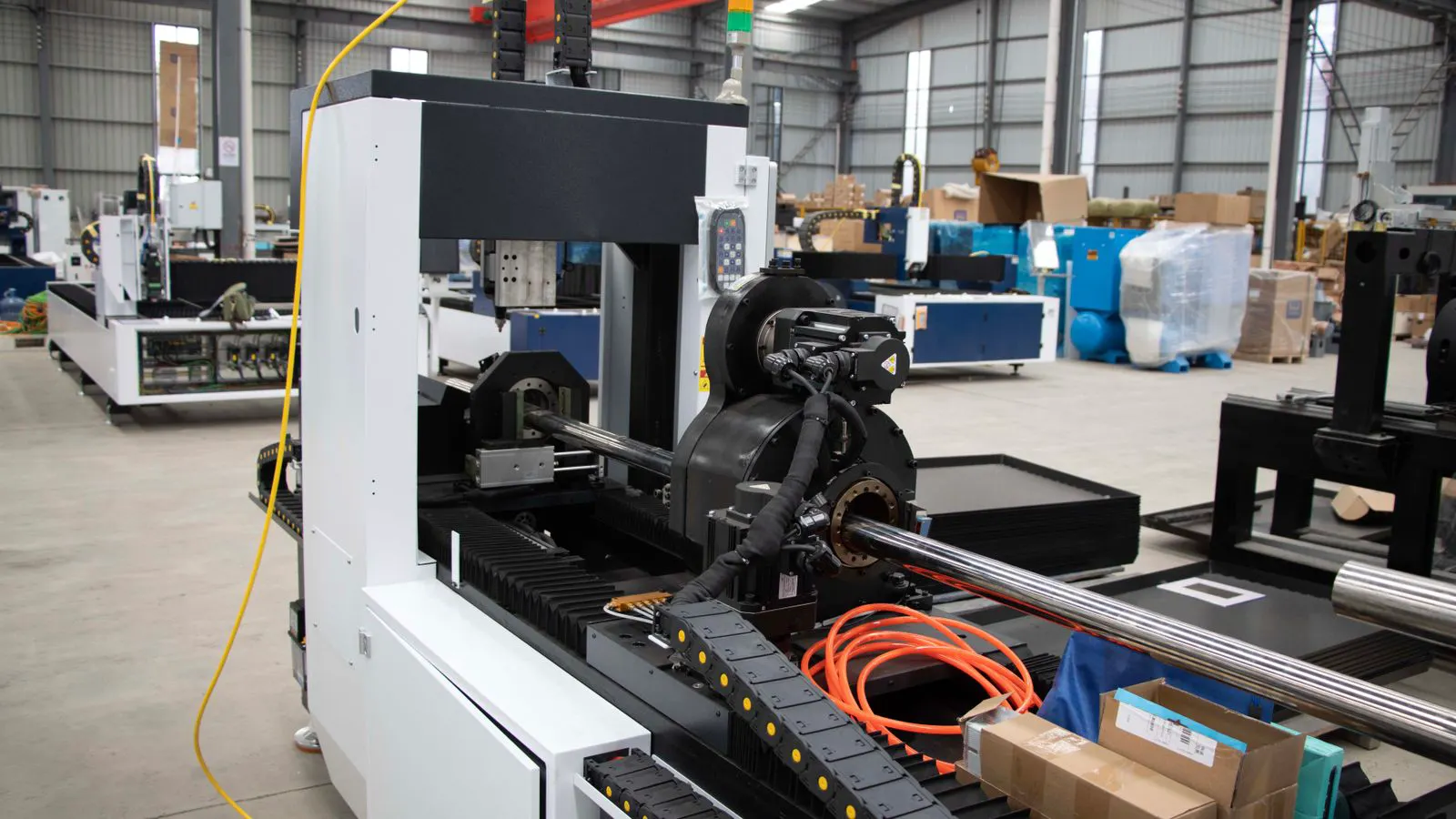
A plastic pelletizing line is a process, not a single machine. The extruder is the center of gravity, but the grinding, drying, and conveying systems determine whether the final pellets meet your specifications. Many buyers focus on the extruder diameter and power rating, then discover later that the upstream or downstream components create the bottleneck. The specification sheet often lists the extruder model and power output, but it rarely explains how the feeder interacts with the barrel under variable load conditions.
Before you request quotations, define three numbers. Your average daily feedstock volume, your target pellet output per hour, and your maximum acceptable defect rate. These three numbers drive every subsequent decision. If you cannot define them, the selection process will drift toward the cheapest equipment that appears to fit. For example, if your defect rate limit is strict for a high-value resin, the line must prioritize thermal stability over maximum speed. The extruder speed can be adjusted, but the die design and temperature control architecture cannot be changed after installation.
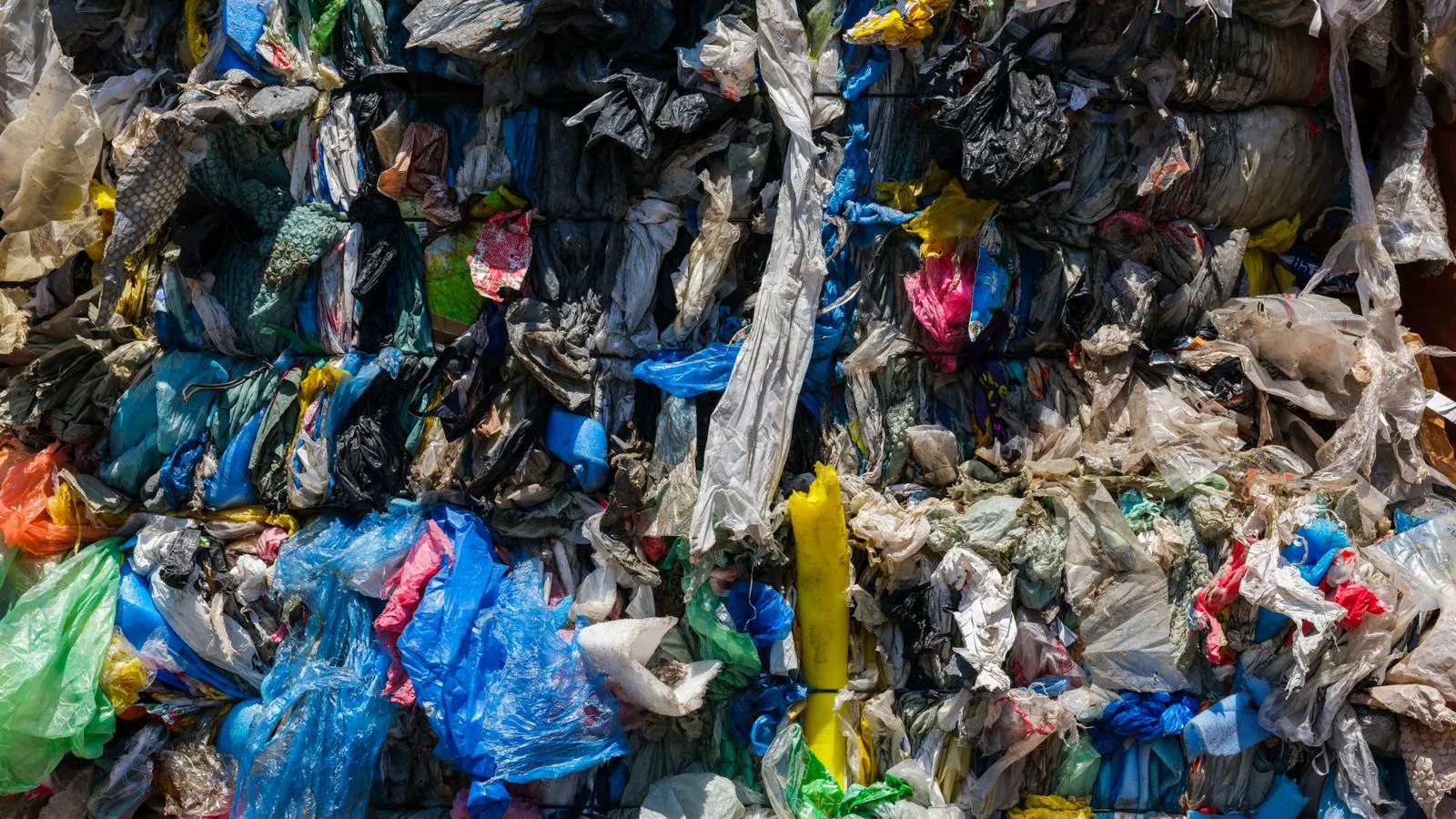
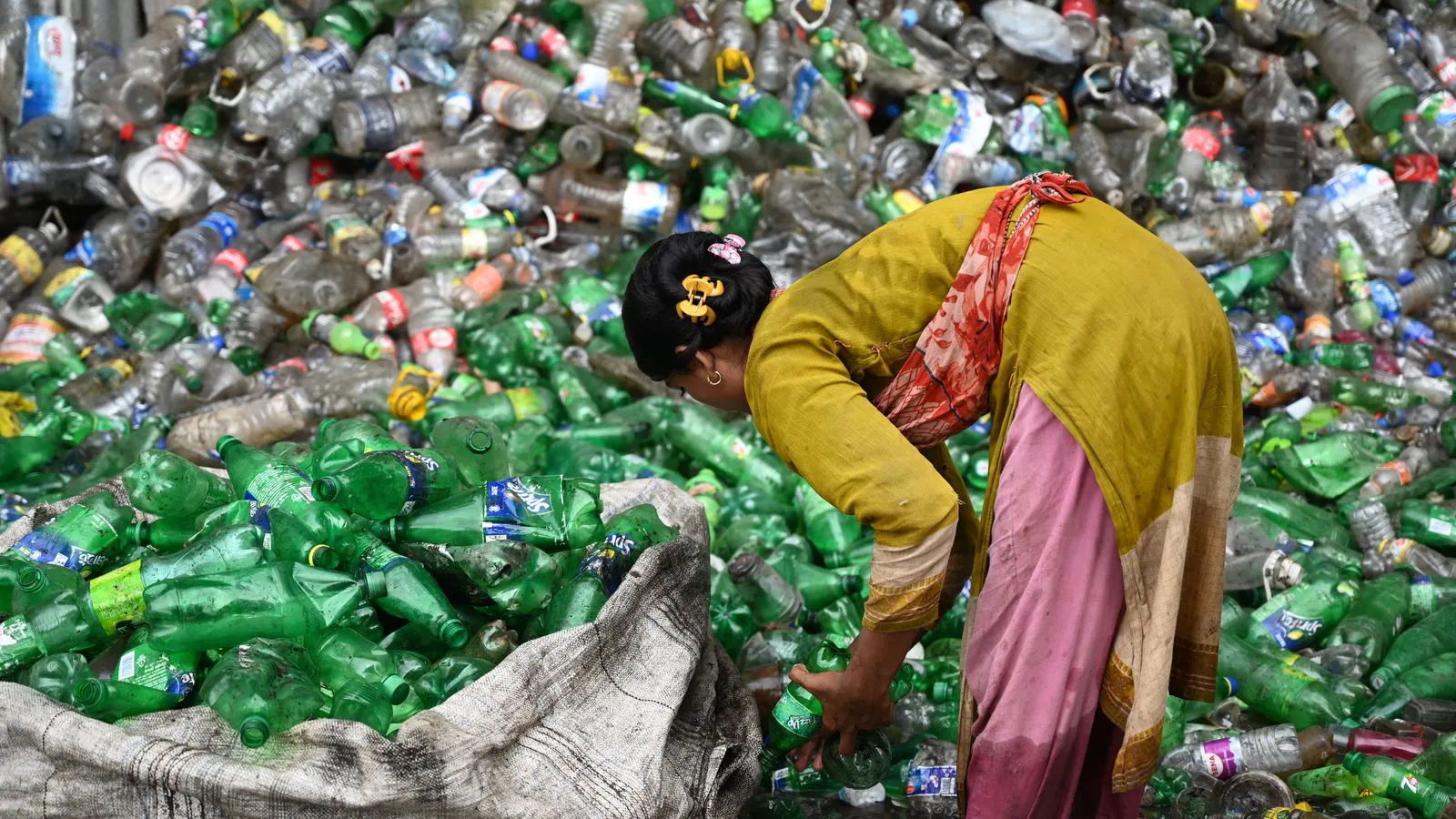
The feedstock matters more than the equipment. Post-consumer mixed plastic requires a different line design than virgin regrind or clean single-stream bottles. The moisture content, particle size variation, and contamination level all change the required drying time and grinding capacity. A line designed for dry, uniform regrind will choke on wet, heterogeneous post-consumer material. The grinder must be sized to handle the largest particle sizes in your feedstock, not just the average. If the grinder undersizes the material, the extruder sees a fluctuating load, which causes pressure oscillations in the barrel. These oscillations travel to the die face and appear as melt streaks or inconsistent pellet density in the final product.
How to Match Throughput to Your Actual Needs
A common mistake is sizing the line for the maximum possible throughput. If you produce 2,000 kilograms of pellets per hour, do not buy a 3,000 kilogram machine and hope to use the extra capacity. The larger machine costs more to install, consumes more energy, and requires a larger floor area. Oversizing also complicates control. Running a high-capacity machine at half load often results in poor pellet quality because the residence time in the barrel is too long for the lower throughput, leading to thermal degradation. The material sits in the hot barrel too long, which darkens the resin and reduces its melt flow index.
Size the line to your peak demand, not your average. Add a margin of 10 to 15 percent for planned maintenance and unexpected feedstock variability. If your plant runs two shifts, the line must handle the full two-shift load without continuous operation exceeding the rated capacity. Check the duty cycle. Some extruders are rated for continuous operation, while others are designed for intermittent use. If your production profile involves long stops for changeovers, the thermal shock on the barrel and die becomes a significant factor. You need a line that can cool down and heat back up without cracking the die or damaging the temperature sensors.
Check the material flow consistency. A line that handles 5,000 kilograms per hour of clean, uniform regrind may struggle with 3,000 kilograms per hour of mixed post-consumer plastic with varying particle sizes. The extruder can handle the load, but the feeder may starve the machine, causing unstable output and pellet quality variation. The feeder design is critical here. A screw feeder is common, but it can bridge if the material is fibrous or sticky. A vibrating bowl feeder handles irregular shapes better but requires more floor space. You must match the feeder profile to the physical characteristics of your specific feedstock. If the feeder cannot maintain a constant flow rate, the extruder will experience surges and drops in input mass, which directly impacts the consistency of the pellet size and density.
Evaluating the Extruder and Die Section
The extruder is the most expensive component and the most visible. You will see options for single-stage, two-stage, and three-stage designs. A single-stage extruder is simpler and cheaper to maintain. It works well for clean, low-viscosity materials. It has a shorter barrel and fewer heating zones, which means less thermal lag. However, it offers less flexibility for high-viscosity resins or materials that require extensive shear. A two-stage design separates grinding and extrusion, which is better for higher viscosity resins or materials that require more shear. In a two-stage line, the first stage compacts and heats the material, while the second stage extrudes it. This separation allows for better control of the melt viscosity before it reaches the die.
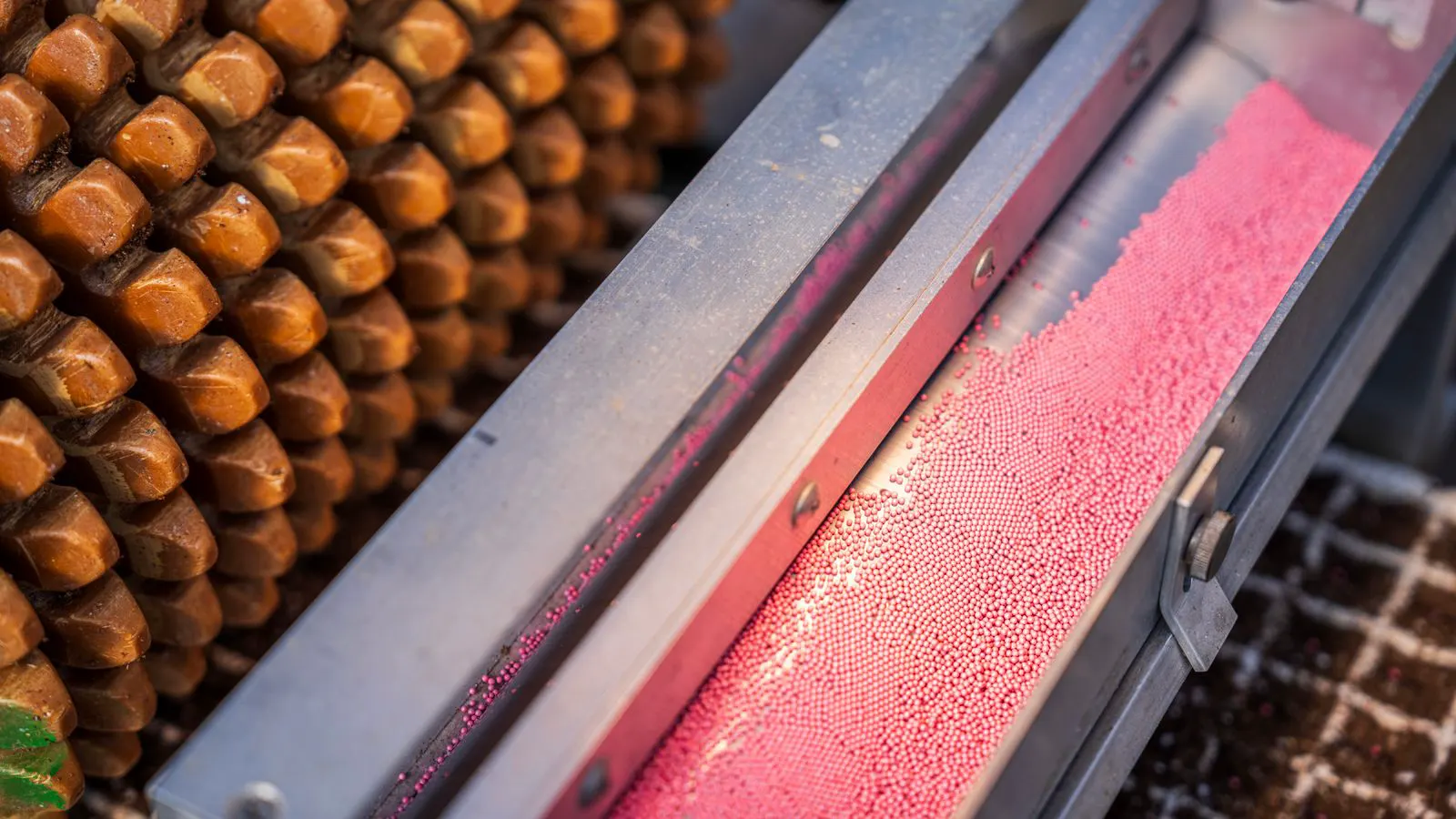
Look at the die design. A flat die produces pellets that are easy to handle and store. The cutters on a flat die are usually simple blades that slice the extruded strand. A ring die produces smaller, more uniform pellets that can be useful for certain downstream processes, such as injection molding where precise size is required for filler distribution. The die material and design affect your wear rate and maintenance frequency. Hardened tool steel dies last longer but are expensive to replace. Ceramic dies are harder but more brittle. The cutter design also matters. If the cutters are dull, the pellets will have jagged edges, which causes mechanical stress during downstream processing. You need a die with a tooling system that allows for quick cutter replacement without removing the entire die assembly.
The temperature control system is critical. Inconsistent barrel temperatures create pellets with varying density and melt flow index. A good line has multiple temperature zones with independent control. Check the accuracy of the sensors and the response time of the heaters and cooling systems. The sensors are usually thermocouples or RTDs embedded in the barrel jacket. If the sensor drifts, the controller will compensate incorrectly, leading to hot spots or cold spots in the melt. The heaters must be able to ramp up quickly when the line starts or when the feedstock moisture drops. The cooling system, often an oil loop or water jacket, must be able to remove heat rapidly during peak load. If the cooling is insufficient, the barrel temperature will drift upward, degrading the resin.
The Process Integration Question
Do not evaluate the extruder in isolation. The grinding system determines what enters the extruder. If your feedstock is large, uneven, or wet, the grinder must match the extruder capacity. A line with a powerful extruder but an undersized grinder will starve the machine and produce inconsistent output. The grinder is the first stage of the process. If it is not sized correctly, the extruder becomes a bottleneck that cannot be solved by simply increasing the extruder speed. You must look at the entire material flow path. The grinder output should be consistent enough to keep the extruder barrel full without causing blockages at the screw flight.
Drying is often the weak link. If your feedstock contains moisture, the extruder will struggle. Water vapor inside the extruder barrel causes pressure spikes, pellet defects, and equipment wear. The water boils inside the melt, creating voids that result in hollow pellets or pellets with internal stresses. Evaluate whether the line includes a drying stage or whether you need to source that separately. A line that integrates drying reduces your footprint and simplifies the process control. The drying unit, usually a fluidized bed or a rotary dryer, must remove enough moisture to reach the extruder inlet requirement. If the dryer is undersized, the residual moisture will cause problems at the die face. The pellet surface will look pitted or rough, and the density will be lower.
The conveying system moves pellets from the die to the cooling tank. Inadequate conveying causes pellet breakage or clogging. Check the material of the conveying components and the design of the transfer points. The pellets are hot and semi-molten when they leave the die. They must be cooled quickly to solidify. The cooling tank depth and water flow rate determine the solidification rate. If the water flow is too low, the pellets remain soft for too long, leading to sticking and breakage. The conveying screw or auger must be sized to handle the volume of pellets without overheating them. The friction in the conveyor also generates heat, which can melt the pellets if they are not cooled fast enough.
Energy Use and Operating Costs
The energy cost of a plastic pelletizing line can exceed the equipment cost over a five-year period. A larger extruder with higher throughput consumes more energy per kilogram of pellet. A line with poor thermal efficiency wastes energy even if it produces the same output. The energy consumption is driven by the heating power required to reach the melt temperature and the cooling power required to reject that heat. The specific energy consumption, measured in kilowatt-hours per kilogram, is the key metric. A line with a high thermal efficiency will have a lower specific energy consumption than a line with poor insulation or inefficient heater design.
Ask for the energy consumption per kilogram of pellet under your specific operating conditions. This is different from the rated energy consumption under ideal conditions. Your feedstock type, target output, and ambient temperature all affect the real number. Processing a high-viscosity resin requires more shear energy than processing a low-viscosity resin. The ambient temperature of your factory also plays a role. In a hot factory, the cooling system works harder, increasing energy use. You should request an energy audit or a simulation model based on your actual operating profile. Do not accept a single number from the vendor’s datasheet. The real number will vary based on your daily production schedule and feedstock quality.
Maintenance cost is the other hidden operating expense. A line with complex hydraulics and many moving parts will have higher maintenance costs than a simpler design. Access to the die, the gearbox, and the drive system affects how quickly you can perform maintenance. Downtime during maintenance multiplies the cost. If you have to remove three meters of barrel to clean the die, the downtime is long. A modular design allows you to remove just the die and a short section of the barrel. This reduces the maintenance window and allows for faster recovery of production. The gearbox is a critical component. It requires regular oil changes and inspection. If the gearbox is sealed and inaccessible, any failure can lead to a long shutdown. You need a line that allows for easy inspection and service of the drive system without disassembling the entire unit.
The Evaluation Criteria Table
Use this table to compare vendors and configurations. Do not rely on the vendor’s marketing materials. Fill in the table yourself with the information from site visits and technical discussions.
| Criterion | What to look for | Why it matters |
|---|---|---|
| Throughput match | Rated output equals or exceeds your peak demand with margin | Prevents bottleneck and over-investment |
| Feedstock compatibility | Line handles your specific material type and moisture level | Avoids process instability and defects |
| Energy per kg | Specific energy consumption under your operating conditions | Determines long-term operating cost |
| Maintenance access | Service points are reachable without disassembling the whole line | Reduces downtime and maintenance cost |
| Spare parts availability | Common components are stocked by the vendor or local distributors | Prevents long repair waits |
A Numbered List for Your Site Visit
When you visit a running line or a demonstration unit, walk through these points in order.
- Check the feedstock intake. Look at the hopper design, the feeder type, and the material flow consistency. Observe how the material moves from the hopper to the feeder. Is there any bridging or arching? The feeder should pull material smoothly. If the material sticks to the hopper walls, the line will experience flow interruptions.
- Observe the extruder. Note the barrel temperature readings, the die output, and any visible vibration or noise. Vibration can indicate a worn bearing or a misaligned drive. Noise can indicate a failing gear or a loose component. The temperature readings should be stable. If the temperature fluctuates rapidly, the control system is struggling to maintain the set point.
- Inspect the pellet output. Look at the color uniformity, size consistency, and any visible defects. Collect a sample of pellets and inspect them under a magnifying glass. Look for bubbles, streaks, or dark spots. These defects indicate process instability. The pellet size should be consistent. If the size varies significantly, the die or cutter is wearing out or the melt pressure is unstable.
- Examine the cooling tank. Check the water flow, the tank depth, and the pellet handling. The water should be clear and flowing steadily. If the water is cloudy or has sediment, the cooling system may be clogged or the pellets are breaking down. The tank depth determines the residence time. If the pellets sit in the tank too long, they cool down too much and become brittle, leading to breakage during transfer.
- Review the control system. Look at the HMI, the alarm log, and the recipe storage. The HMI should display all critical process parameters in real time. The alarm log should show a history of deviations. A well-managed line will have a clean alarm log. If the log is full of frequent alarms, the process is unstable or the sensors are drifting. Recipe storage allows you to save settings for different resin types. This saves time during changeovers.
- Ask about maintenance. How often is the die cleaned? What is the gearbox oil change interval? What are the most common failures? The maintenance team should be able to answer these questions with specific intervals and procedures. If they are vague, it indicates a lack of structured maintenance. Common failures often point to design weaknesses. If the die cutter breaks frequently, the die design or the cutting system may be flawed.
The Decision Checklist
Before you sign a purchase order, confirm the following.
- Your feedstock type, moisture level, and particle size are specified in writing. This specification is the basis for the line design. If the vendor does not have this information, they are guessing. The design must be based on your actual material, not a generic assumption.
- The line capacity matches your peak demand, not your average. Ensure the rated throughput is sufficient for your highest production day. If you are close to the limit, you will not have room for variability.
- The energy consumption per kilogram is provided for your specific operating conditions. Ask for a calculation based on your resin type and output. This number will help you budget for utilities.
- The maintenance plan is included in the quotation, with access times for common components. This plan should include routine tasks and estimated downtime. It should also specify who performs the maintenance and what tools are required.
- The spare parts list is provided, with lead times for critical components. You need to know how quickly you can get a replacement for a worn die, a broken screw, or a failed sensor. Long lead times can cause costly production losses.
- Training is included for your operators and maintenance staff. The vendor should provide hands-on training for the control system and basic maintenance procedures. Your staff should be able to operate the line safely and independently after the training.
- The installation and commissioning scope is defined, including what the vendor does and what you must provide. This document should list all deliverables, such as electrical connections, plumbing, and floor support. It should also define the acceptance criteria for the line. You need to know exactly when the line is considered complete and operational.
Do not let pressure to decide quickly override the checklist. A plastic pelletizing line is a capital investment that will run for a decade or more. Take the time to verify each item. The cost of a wrong decision is measured in energy, maintenance, and lost production, not just the purchase price. A line that does not match your feedstock or your operational profile will cause daily frustration and long-term losses. The initial savings from a cheaper option will be eroded by the cost of poor performance and excessive maintenance. Invest in a line that fits your specific needs, and you will have a reliable asset for years to come.
Frequently asked questions
Can I use a plastic pelletizing line for both post-consumer and virgin regrind?
Yes, but the line design must accommodate the moisture and contamination differences. You may need to adjust drying time and grinding capacity for each material type.
How do I know if my existing grinding system is compatible with a new extruder?
Match the grinding output to the extruder feeder capacity. If the grinder produces less than the feeder can handle at your target speed, you will create a bottleneck.
What is the typical maintenance interval for an extruder die?
It depends on the material and the operating conditions. Common resins may require die cleaning every few hundred hours, while abrasive or dirty materials may need more frequent attention.
Should I buy a line with integrated drying or a separate dryer?
Integrated drying reduces your footprint and simplifies control. A separate dryer gives you more flexibility if you run multiple materials with different moisture levels.
How do I verify the energy consumption claim from a vendor?
Request the energy data under your specific operating conditions, not the ideal rated conditions. If possible, ask for a site-specific energy estimate based on your feedstock and target output.